Smart Coatings and Nano-Barriers Improve Waterproof Connectors
A variety of new materials and designs are helping connector manufacturers meet the demand for more rugged and water-tight electronic components.
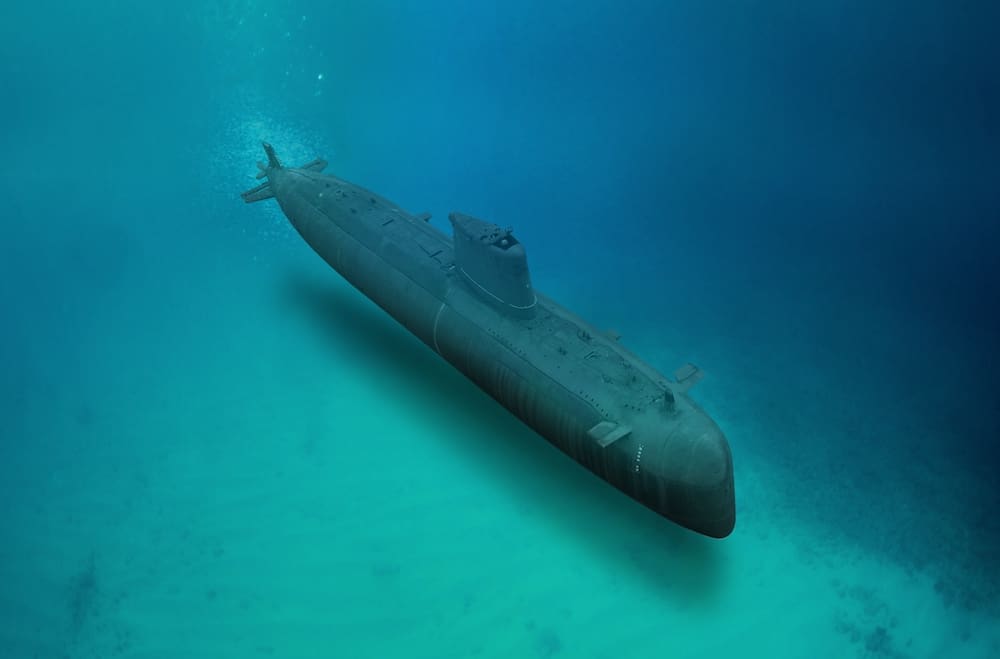
Water may be the enemy of electronics, but properly sealed and protected connectors are at work in complex applications such as outdoor weather stations, naval equipment, traffic infrastructure, lighting systems, outdoor screen technologies, and even at the bottom of the sea. The latest generation of sealed and hermetic interconnects can endure precipitation, washdowns, and even full submersion with the help of improved sealing strategies and new materials that make these connections watertight. Just as important as keeping water out, hermetic and sealed connectors also keep gases, air, and particulates from compromising connections and degrading materials.
Materials matter
Traditional connector sealing methods like epoxy, glass-to-metal seals (GTMS), and ceramic seals create a physical barrier that keeps out moisture and air. Epoxy offers a cost-effective and versatile option for sealing against water ingress in moderate environments, while glass-to-metal seals provide an exceptionally robust hermetic barrier ideal for aerospace, defense, and medical applications where absolute reliability is essential. Ceramic seals deliver excellent thermal stability and resistance to corrosion and harsh chemicals, making them a preferred choice in high-temperature or high-pressure systems. Although these traditional materials remain the foundation of many waterproof and hermetic connector designs, ongoing advances in polymer science, precision manufacturing, and nanocoatings are extending their performance limits or offering an alternative for innovative designs. In some applications, the perfect seal is achieved by combining traditional materials with elastomers, PEEK insulators, and advanced plating finishes.
However, these sealing strategies add weight and bulk to assemblies and end applications. An emerging group of nanocoatings, conformal films, and “smart” thin-film layers are adding moisture resistance to connectors without the weight. One of the most commonly used is Parylene, a thin, conformal polymer coating material that can be applied as a vapor-deposited film to provide ultra-thin protection from moisture and ingress. This material provides universal coverage for complex shapes, such as connector housings, and is available in FDA-approved variants for medical applications including implantable devices. (Samtec has a guide with processing tips for the use of conformal sealing materials.)
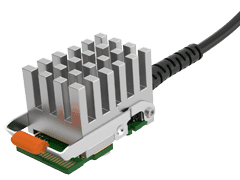
Samtec is developing a new Parylene-coated FireFly™ Extreme Environment Active Optical Micro Flyover® Cable Assembly for exposed military, aerospace, and submersible applications.
Another sealing material, Ceramax, is engineered to deliver exceptional hermetic performance in harsh environments with extreme temperatures, pressure, and vibration conditions. Its unique composition combines the electrical insulation and chemical resistance of high-purity ceramics with the mechanical strength needed for high-reliability interconnect systems. Ceramax seals are commonly used in ceramic-to-metal configurations, creating leak-tight interfaces that prevent contamination and preserve performance even after years of thermal cycling and exposure to corrosive environments.
Winchester Interconnect incorporates Ceramax technology in its hermetic connector product lines to ensure superior sealing performance and long service life. Winchester’s hermetic multi-pin connectors utilize the Ceramax dielectric compound in conjunction with BeCu contacts to create a hermetic seal that is impervious to crack propagation. This is most frequently used in D-subs, 38999s, RF feedthroughs, Dewar flanges for IR imaging systems, and packaging with integrated connectors.
“A hermetic seal is more than air tight; it is designed to keep any damaging particles from infecting the outside environment or the function of electronic equipment,” said a Winchester product manager. “Winchester designs and builds standard and custom hermetic products. In most cases a non-hermetic connector can be redesigned to incorporate Ceramax and become a hermetic connector.”

Winchester’s hermetic D-Sub connectors with Ceramax sealing can withstand extreme environmental conditions to deliver hermeticity of less than 1 X 10⁻⁹ cc/sec He at one atmosphere differential pressure.
Combining sealing strategies
While glass-to-metal seals (GTMS) once dominated, new hybrid designs combine the mechanical strength of ceramics or metals with polymeric coatings or films to balance weight and durability. Many connector companies are using a combination of mechanical and chemical sealing technologies for reliability in harsh environments.
One way to reduce the weight of a sealed connector while increasing its sealing capability is to combine traditional glass seals with innovative epoxy materials. Amphenol Aerospace employs this strategy on its hermetic connectors for the demanding military and aerospace market, providing a lightweight alternative to glass-sealed hermetic connectors that can endure strenuous flight conditions.
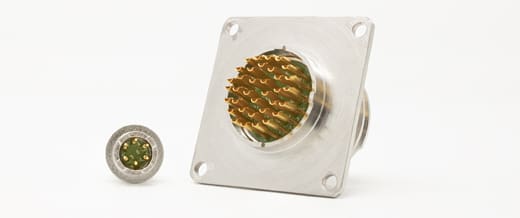
Amphenol Aerospace’s hermetically sealed connectors offer superior electrical performance plus the rugged design of a glass-sealed or epoxy-sealed connector with superior leak rate performance.
Hermetic Seal Corporation, a provider of hermetically sealed aerospace and defense connectors that have served NASA and other space agencies for decades, has developed hybrid seals that use proprietary alloys and coatings to minimize stress cracking and oxidation. Kovar-to-Glass and Titanium-to-Glass seals are engineered for extreme pressure environments, while other variants incorporate polymer interfaces that reduce mass without compromising hermeticity. These materials advances make it possible to deploy highly reliable connectors in lighter and smaller packages such as UAVs, satellites, and compact instrumentation.
Subsea sealing
Millions of data cables traverse the ocean floor, linked by the most rugged and pressure-resistant hermetically sealed connectors. Hermetically sealed subsea connectors are engineered to maintain complete electrical and environmental integrity in the most demanding underwater conditions, including pressure, moisture, salt, and gas. Unlike standard waterproof connectors, hermetic subsea designs achieve true gas-tight seals, often through the use of glass-to-metal, ceramic-to-metal, or epoxy sealing technologies. TE Connectivity’s SUBSEA line is specifically designed for deepwater operations, providing modular, high-reliability connectors that handle extreme pressures while ensuring secure electrical and optical connections. By maintaining flawless insulation and preventing fluid intrusion, these connectors enable reliable power and data transmission in deep-ocean instrumentation, control systems, and communications—critical to the performance and safety of today’s subsea operations.
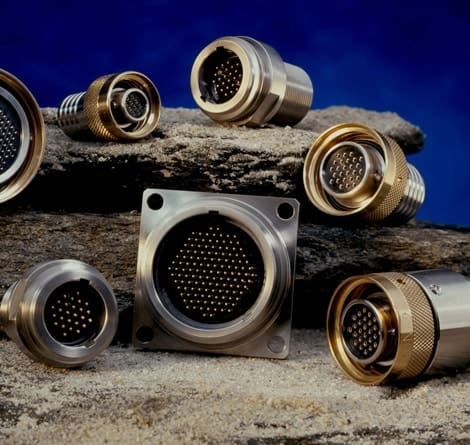
TE Connectivity’s SEACON line uses a combination of ceramic-to-metal sealing and high-performance metal housings to achieve long-term hermetic reliability in deepwater operations.
Toward smarter protection
Looking ahead, researchers and manufacturers are exploring new sealing materials with a range of new capabilities. Future “smart” sealing materials could respond dynamically to environmental changes. Shape-memory polymers and phase-change materials can expand or contract in response to temperature or pressure fluctuations, tightening seals when conditions become more extreme. Other research is focused on embedding sensors into sealing materials to collect data on humidity or other conditions. Self-healing fluoropolymer layers, inspired by biological membranes, are being tested for use in connectors to automatically repair micro-cracks that could lead to moisture ingress. The search is on as well for a safer replacement for PFAS.
To learn more about the companies mentioned in this article, visit the Preferred Supplier pages for Amphenol Aerospace, Hermetic Seal, Samtec Inc., TE Connectivity, and Winchester Interconnect.
Like this article? Check out our other Ruggedized and Harsh Environment articles, our Connector & Cable Special Topics Market Page and our 2025 Article Archives.
Subscribe to our weekly e-newsletters, follow us on LinkedIn, Twitter, and Facebook, and check out our eBook archives for more applicable, expert-informed connectivity content.

- Connectivity Is Reshaping Police and Security Vehicle Fleets - September 8, 2026
- Thermal Management Strategies with Liquid Cooling Connectors - August 11, 2026
- Rodent-Resistant Electronics - July 28, 2026