The Future of Appliance Electrical Architecture: An Engineering and Procurement Perspective
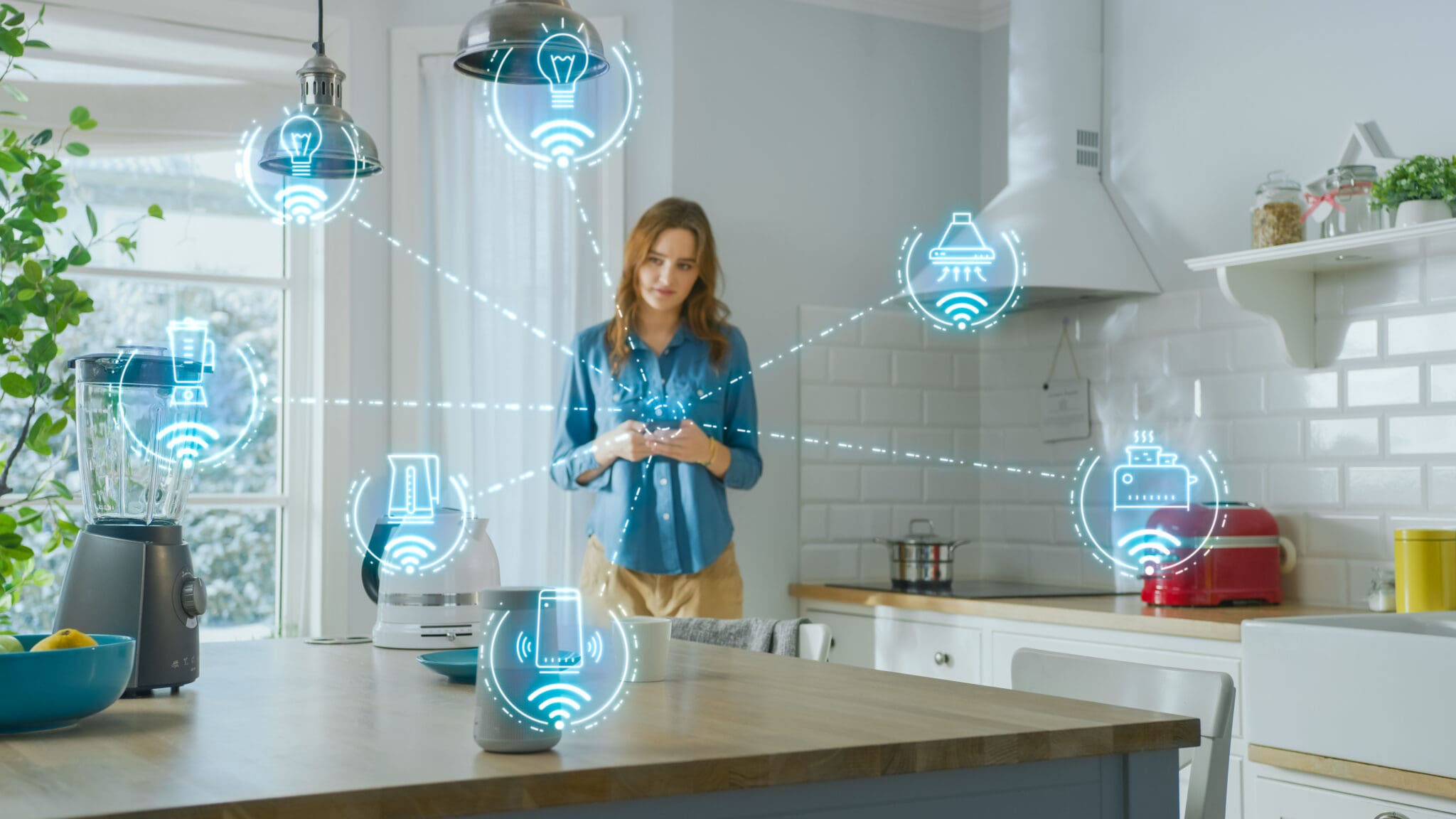
Today’s global appliance market is undergoing a structural transition from conventional, analog designs to smart, connected appliances.
Article Contributed by Ashish Ainapure, System Architecture Manager and John Marsh, Fellow R&D / Product Development Engineering, TE Connectivity
Traditional appliances are typically monolithic in design, relying on centralized control boards, mechanical interfaces, and hard‑wired functionality. The global appliance market, projected to approach USD $1 trillion by 2032, is undergoing a structural transition from conventional, analog designs toward smart, connected appliances.
Market and regulatory drivers
This shift to smart appliances is driven by a convergence of consumer expectations (convenience, connectivity, energy efficiency), urbanization, and increasingly stringent regional regulations on energy performance, sustainability, and safety.
Key regulatory pressures include energy‑efficiency labeling schemes and sustainability frameworks such as China’s CCC and CEL programs, the EU’s Ecodesign and Energy Efficiency Directives, material‑compliance regimes including the Restriction of Hazardous Substances (RoHS), the Waste from Electrical and Electronic Equipment (WEE) directive, and REACH (Registration, Evaluation, Authorization, and Restriction of Chemicals). In parallel, incentive programs in the U.S., Europe, China, and Japan have accelerated adoption of smart, energy‑efficient designs — while also raising compliance complexity for manufacturers. For engineers and purchasers alike, regulatory alignment has become a core architectural requirement rather than an afterthought.
Limitations of conventional appliance architectures
Traditional appliances are typically monolithic in design, relying on centralized control boards, mechanical interfaces, and hard‑wired functionality. While robust and cost‑effective, these systems are inherently limited by:
- Low sensing and no adaptive behavior
- No networking or cloud integration
- Little upgradability or modular repair
- Functionality fixed at time of manufacture
From a sourcing perspective, this model constrains platform reuse and drives product‑specific designs, increasing part proliferation and lifecycle costs.
Smart appliances: Architectural shift and growth outlook
Smart appliances, while still a smaller share of total production, are growing at nearly twice the rate of the overall appliance market. They are defined by connectivity, intelligence, and adaptability — enabled by IoT integration, embedded processing, and advanced sensing.
Electrically, this represents a shift from single‑board control to distributed systems composed of:
- Microcontrollers and processors running localized firmware
- Dedicated communication modules (Wi‑Fi, Bluetooth, etc.)
- Sensor networks generating real‑time operational data
- Modular power and signal interconnects
For engineers, this means managing higher data rates, mixed‑voltage domains, and stricter EMI, thermal, and reliability constraints. For purchasers, it introduces new requirements around component standardization, supplier capability, and long‑term availability.
Key design trends shaping electrical architecture
Modular and Scalable Design
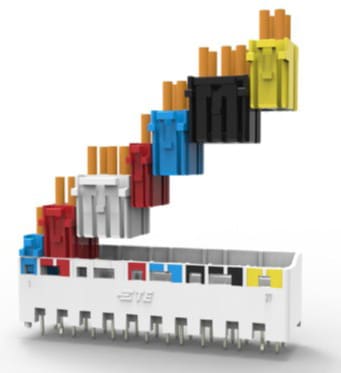
Smart appliances increasingly adopt modular architectures in which functions — control, sensing, power delivery, user interface — are separated into interchangeable units. This approach helps enable:
- Easier repair and upgrades
- Platform sharing across multiple appliance models
- Reduced engineering and validation cycles
- Lower total cost of ownership through economies of scale
Purchasing teams benefit from reduced SKU counts and greater sourcing flexibility, provided interfaces and connector systems are standardized early in the design phase.
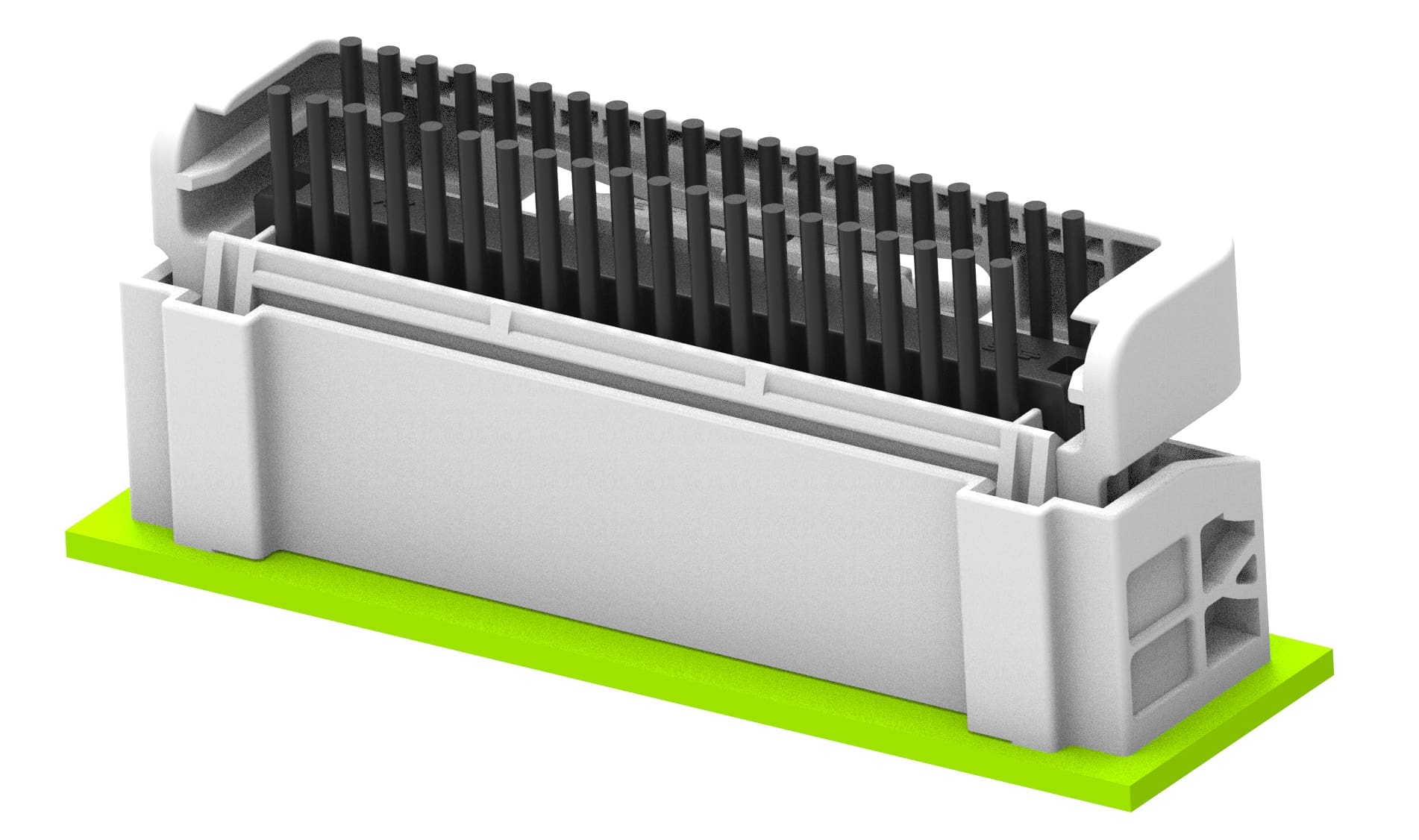
Compact, High‑Density Interconnection
As connectivity and sensing increase, space constraints become more acute. Electrical architecture must support high‑density packaging without compromising performance. This drives demand for:
- Miniaturized connectors with robust retention
- High‑speed signal integrity in compact layouts
- Power connectors capable of higher current and voltage in smaller footprints
Selection trade‑offs increasingly involve not just unit price, but assembly efficiency, and long‑term reliability, for instance.
Thermal and Mechanical Performance
Smart appliances add heat‑generating electronics to already thermally demanding environments (e.g., ovens, dryers, HVAC systems). Poor thermal management can degrade electronics, disrupt connectivity, and shorten appliance lifespan.
Architectural strategies include thermally isolated control zones, heat‑resistant connectors and terminals, and layouts that mitigate vibration and mechanical stress. These considerations are critical inputs for both design teams and sourcing decisions.
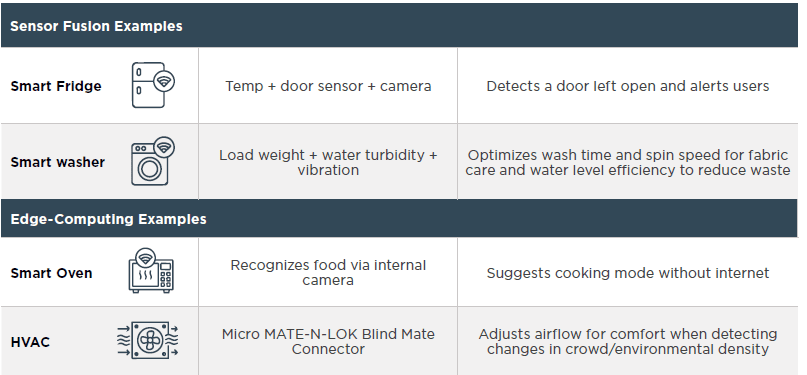
Sensor‑driven intelligence and edge computing
Sensors are foundational to smart appliance performance. Temperature, humidity, load, vibration, cameras, and other inputs help enable adaptive behavior and predictive maintenance. Increasingly, this data is processed locally through edge computing rather than being continuously transmitted to the cloud.
Benefits include:
- Faster response times
- Reduced network dependency
- Enhanced reliability and privacy
From an electrical architecture standpoint, this trend increases the importance of more secure, reliable data connectors and power‑signal isolation. For purchasers, it underscores the need to evaluate suppliers not only on components, but on system‑level understanding.
Energy efficiency and sustainability by design
Energy performance is no longer limited to mechanical efficiency. Smart appliances integrate advanced power electronics to improve consumption, such as:
- Inverter‑driven motors operating at variable speeds
- Heat‑pump technologies that recycle thermal energy
- Power monitoring and adaptive load control
Emerging architectures also explore bi‑directional power flow, help in enabling integration with renewable energy sources and battery storage. These approaches influence connector selection, power ratings, and material choices — directly affecting procurement specifications.
Sustainability extends beyond energy usage. Repair‑friendly designs, recyclable materials, and reduced hazardous substances are now key evaluation criteria under global compliance regimes. Engineers and purchasers must jointly assess material declarations, compliance documentation, and end‑of‑life considerations.
Safety, compliance, and global certification
Smart appliances face heightened scrutiny due to increased electronics content and connectivity. Compliance with international safety and environmental standards is essential to global market access.
Electrical architecture must accommodate:
- Hazardous substance restrictions (RoHS, REACH)
- Recycling and recovery requirements (WEEE)
- Regional disclosure rules (e.g., California Proposition 65)
For procurement teams, partnering with suppliers that offer globally compliant components can significantly reduce certification risk, testing cycles, and downstream costs.
Implications for engineering and purchasing collaboration
Designing next‑generation appliances requires closer collaboration between engineering and purchasing than ever before. Key shared priorities include:
- Miniaturized components that fit dense layouts
- High‑power and high‑voltage capability
- Sealed, corrosion‑resistant interconnects
- Ease of assembly, service, and replacement
- Long‑term supply chain stability
Moving from component‑level sourcing to system‑level decision‑making supports OEMs to balance performance, cost, scalability, and compliance more effectively.
The evolution of appliance electrical architecture reflects a broader transformation toward connected, intelligent, and sustainable systems. Smart appliances are no longer defined by individual features, but by how well sensors, electronics, power delivery, and interconnects work together as an integrated platform.
For engineers, this demands holistic system thinking. For purchasers, it requires suppliers capable of supporting modular, compliant, and future‑ready architectures. Success in the smart appliance market depends on aligning these disciplines from the earliest stages of design — building products that are not only smarter, but also more efficient to engineer, source, manufacture, and support over their full lifecycle.
To read this paper in its entirety, visit TE Connectivity.
Like this article? Check out our other Smart Devices and Sensors articles, our Connector & Cable Special Topics Market Page and our 2025 and 2026 Article Archives.
Subscribe to our weekly e-newsletters, follow us on LinkedIn, Twitter, and Facebook, and check out our eBook archives for more applicable, expert-informed connectivity content.

- The Challenges of Electric Flight: How Engineers Are Rethinking Power - October 20, 2026
- Printing at the Edge of Possibility: How TE Connectivity Leverages Micro-3D Printing - October 13, 2026
- A Five-Layer Clad Solution for High-Performance Battery Interconnects - October 6, 2026