Reliable Interconnects are Key to Well-Designed Endoscopes
Electrical functionality, mechanical fit-for-use, and materials are significant considerations when designing endoscopes to meet the needs of doctors and patients.
By AJ Born
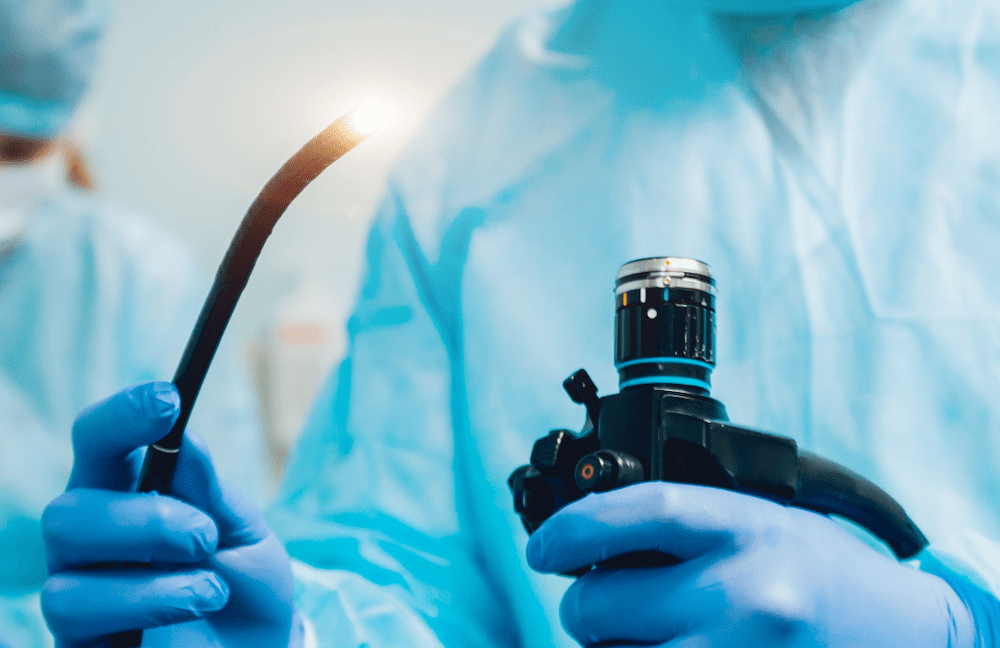
Endoscopes are minimally invasive tools used for diagnostics, treatment, and surgical procedures. High-end systems combine advanced imaging, navigation, and multi‑channel functionality—enabling instrument passage, suction, irrigation, and lens cleaning. To support these tasks, cable systems must deliver reliable electrical performance and withstand demanding mechanical and environmental conditions.
Signal integrity and system integration
Reliability and safety are paramount. According to Ralf Kürpik from Bernd Richter, signal integrity with high density in harsh environments are central design needs. Those mandatory disciplines – electrical, mechanical, ruggedness – require the right ingredients for a durable solution. Cable systems – plug and play – must integrate multiple functions in minimal space, combining electrical performance with mechanical robustness. Cable diameter and component selection are key, as the cable system must support all required procedures while minimizing patient discomfort.
Mechanical stress and durability
Flexible endoscope cable systems face continuous bending, twisting, and load cycles. Tests such as bending‑fatigue (tick‑tock) and torsion testing verify durability under real‑world conditions. In clinical use, multi‑use systems must also tolerate sterilization environments—particularly more than 500 autoclave cycles—without failure. Mechanical stress is most critical to the lifetime of the system, which requires the right choice of strain relief design, material choice, and termination capabilities.
Ease of use
Material properties matter, as they impact ergonomic values. Optimized cable dimensions – that means minimized to the max, e.g. video coax smaller AWG46, directly affect flexibility, signal quality, and durability. The right twist lengths and layout of all subcomponents, combined with a non-sticky silicone jacket, with the right shore hardness and wall thickness likely result in a durable high value cable solution. A vacuum helium leak test is decisive for final approval.
Multiple‑use requirements
Multi‑use endoscopes must remain reliable over many clinical autoclavable cycles. Materials for jackets, insulation, overmoldings, and sealing components must endure long‑term thermal and mechanical load to secure sensitive electronics – a challenge that demands expertise in material behavior, tooling design, and overall engineering knowledge with experience.
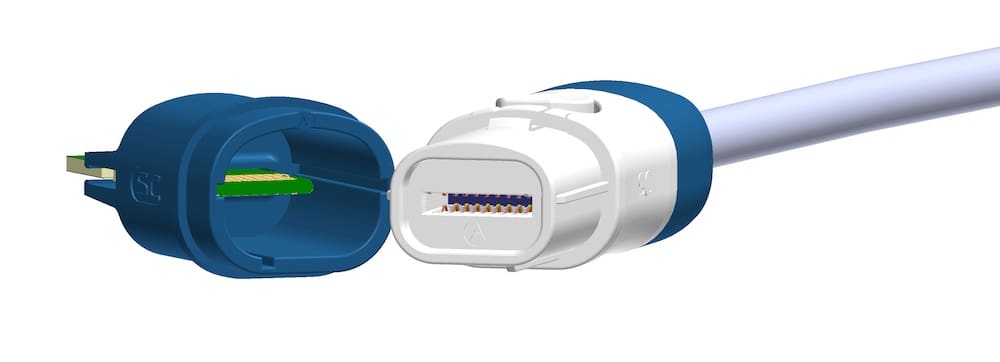
Eclipta series connectors from Smiths Interconnect embed a high-performance edge card technology for single-use endoscopes and other disposable medical applications.
Single-use and limited-reuse
Single-use endoscopes have gained acceptance for their ability to reduce the normally high risk of contamination and infection that exists with a device that enters the body. Single-use endoscopes maintain much of the same advanced imaging technology as their reusable counterparts, such as an image sensor, optical lens, and light source. They are designed to provide sufficient functionality and safety for physicians, while remaining affordable enough to be discarded. Higher voltage ratings and higher densities are two key requirements that are becoming more evident in disposable medical device design. The demand for higher density connectors — fitting more functionality in the same footprint, has been steadily increasing.
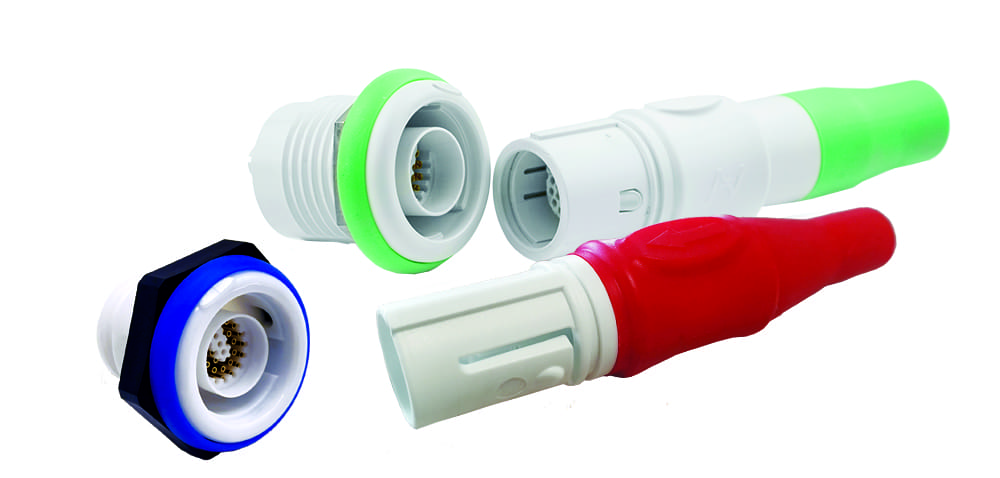
Hypergrip series disposable connector plugs from Smiths Interconnect deliver a reliable interconnect solution for single use or limited reuse, ideal for applications that don’t require high cycle life but still require a premium disposable connector mated with a high cycle receptacle.
Single-use devices do raise concerns of disposal, waste, and their impact on the environment. A third option, limited-reuse, is a somewhat middle-ground alternative. These are endoscopes, or other devices, that are approved to be reused a specified number of times, based on how often they can be sterilized and still work. In some cases, manufacturers put EPROMs in the connector or cable to track the number of times a device has been used.
Visit the Preferred Supplier pages for Bernd Richter and Smiths Interconnect to learn more about the company and its products.
Like this article? Check out our other Connector Basics articles, our Medical Market Page, and our 2025 and 2026 Article Archive.
Subscribe to our weekly e-newsletters, follow us on LinkedIn, Twitter, and Facebook, and check out our eBook archives for more applicable, expert-informed connectivity content.

- Ceramics in Space: BME X7R MLCC - October 20, 2026
- Test & Measurement Product Roundup - October 20, 2026
- Advanced Connectivity-Automation, Robotics, AI, and Machine Learning - October 20, 2026