What are 3.5 mm Plug-type Connectors?
Meet the Connector: 3.5 mm Plug-type Connectors
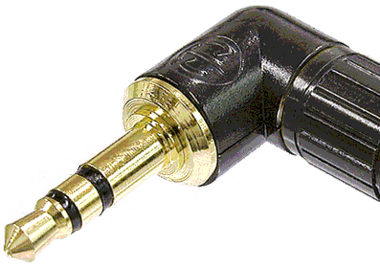
3.5 mm plugs and jacks are widely supported across older and some newer audio/video equipment and consumer electronics. They are also used in some medical peripherals, such as headphones for sonography or audiology equipment. The plugs have three primary configurations that are identified by black bands, called insulation rings or isolation grommets. The bands indicate the sections of the connector: tip, ring, and sleeve.
- TS (tip-sleeve) has one band, two conductors, and carries unbalanced mono audio, commonly used for consumer microphones, infrared control systems, instruments like guitars, or 12 V triggers.
- TRS (tip-ring-sleeve) has two bands, three conductors, and is the most common type for stereo headphones (left, right, ground).
- TRRS (tip-ring-ring-sleeve) has three bands, four conductors, and adds a microphone channel to stereo audio; it is used in smartphone headsets (headphones with a built-in microphone).
Design Notes
Standards:
- CTIA/AHJ (Cellular Telecommunications and Internet Association) is used in most modern Androids/phones; pinout is Left/Right/Ground/Mic (TRRS).
- OMTP (Open Mobile Terminal Platform): Used in older phones; pinout is Left/Right/Mic/Ground.
- TS/TRS: Used for mono/stereo audio
- IEC 60320 for general standardso
Mounting type: Primarily cable-mounted via soldering to wires
Mating cycles: Up to 5,000
Dimensions: The 3.5 mm diameter refers to the plug shaft.
Material specifications: Typically made of heavy-duty materials to withstand repeated mating cycles. Examples include:
Contact materials (Plugs and pins)
- Base material: Brass or bronze is commonly used for the plug finger/conductors.
- Plating: 24k gold plating is standard to ensure high corrosion resistance, durability, and optimal signal conductivity. Nickel or silver-plated connectors are sometimes used for cost-effective or industrial applications.
Body and housing materials
- Housing: Metal (zinc diecast or brass) with nickel, gold, or black plating is common for robust, heavy-duty connectors.
- Internal insulation/dielectric: Thermoplastics like polypropylene (PP), polyamide (PA66 + 30% GF), or PVC are used to separate the conductor poles.
- Strain relief: Often designed with molded plastic or, in premium connectors, a chuck-type strain relief.
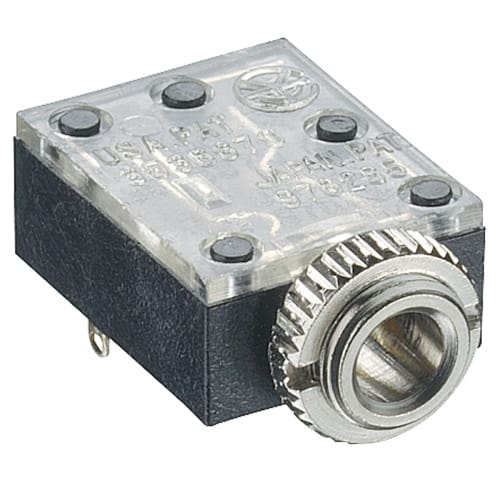
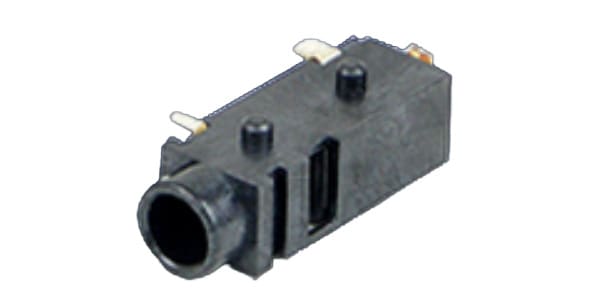
Lumberg Jack chassis socket acc. to JIS C 6560 JC35J3B, 3.5 mm, 3 poles/stereo, angular version, with 2 break contacts and solder eyes, for printed circuit boards, for back side mounting
Environmental properties:
3.5 mm plug-type connectors are often RoHS and REACH compliant.
Markets and Applications
Audio/Video, Medical
Standard headphones typically use TRS (stereo), while headphones with inline mics use TRRS. Other uses include auxiliary (Aux) inputs found in cars and stereos for connecting phones, usually TRS; video output used in older cameras/DVD players for composite video and stereo audio; and industrial/pro audio. TS or TRS can be used for balanced mono or control signals. TRS stereo signals are unbalanced.
Suppliers
Lumberg, Neutrik, Switchcraft (available from DigiKey and Mouser)
Like this article? Check out our other Meet the Connector and Connector Basics articles, our Military and Aerospace Market Page, and our 2025 and 2026 Article Archives.
Subscribe to our weekly e-newsletters, follow us on LinkedIn, Twitter, and Facebook, and check out our eBook archives for more applicable, expert-informed connectivity content.

- Custom Cable Assemblies: A Value-Add Solution - October 13, 2026
- Fiber Optics Product Roundup - October 13, 2026
- October 2026 Connector Industry News - October 13, 2026