RF Interconnects and Subsystems in Harsh-Environment Operations
Radar, communications, electronic warfare, sensing systems, and other critical and high reliability applications depend on RF subsystems and precision interconnects to ensure mission success.
Article contributed by Times Microwave Systems
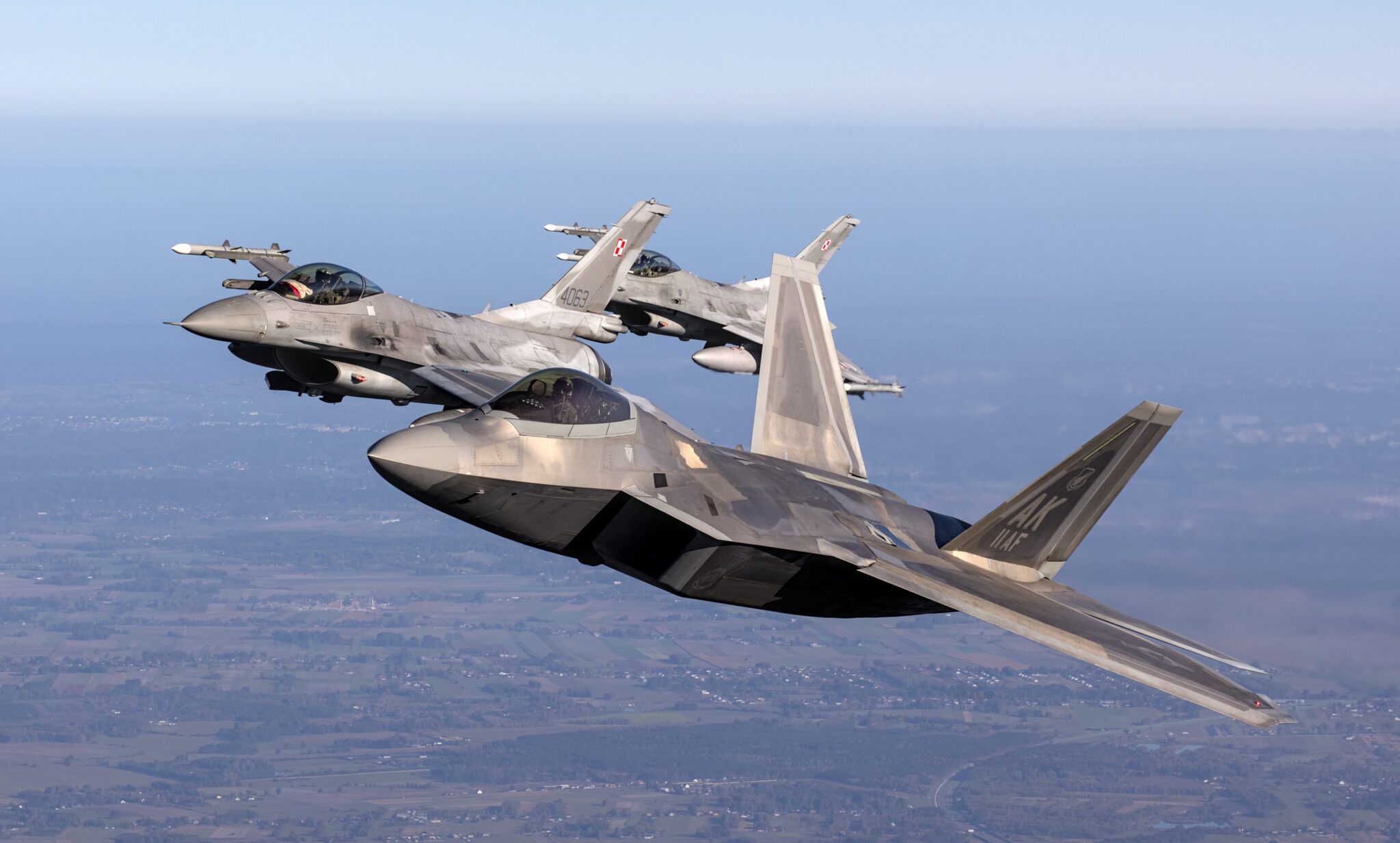
Military and aerospace platforms operate in extreme environments. Aircraft can transition from scorching desert tarmacs to frigid high-altitude flights within minutes. Naval systems must run continuously in corrosive salt-fog environments while withstanding pressure, vibration, and mechanical shock. Ground systems endure sand, dust, and rapidly changing weather conditions, and space-based platforms face vacuum, radiation exposure, orbital debris, and long mission lifecycles without maintenance opportunities.
RF subsystems and the interconnects that support them are critical to mission success and must deliver reliable, life-saving performance in all of these conditions. Radar, communications, electronic warfare, and sensing systems all depend on stable signal paths connecting antennas, transmitters, receivers, and control electronics.
“Achieving consistent performance across harsh environments requires an understanding of application requirements, engineering domain knowledge and proven design practices, expertise in materials selection and controlled sourcing, and rigorous manufacturing processes and environmental controls,” says Chris Cooper, Director of Engineering, Times Microwave Systems.
Why interconnects define system performance
While the active electronics in these systems often receive the most attention, the physical signal path connecting them plays an equally important role. What appears on a schematic as a simple connection must in practice function as a precisely controlled transmission line whose electrical and mechanical properties affect overall system performance.
Advanced RF platforms integrate multiple electronic subsystems that operate across wide frequency ranges and often in close proximity within highly compact architectures. Electronically steered arrays, radar systems, communication systems, agile data links, and navigation equipment must coexist without interference while maintaining precise signal timing and transmission efficiency.
These requirements place significant demands on interconnect assemblies, which must preserve electrical performance while also providing mechanical durability and environmental protection.
Interconnect components can sometimes be underestimated when considering their influence on system-level performance. Signal loss, amplitude and phase distortion, microphonics, impedance mismatch, inadequate shielding, or connector losses can degrade system selectivity and sensitivity, reduce communications range or information throughput, or introduce interference that affects nearby systems. Engineering for extremes: Thermal, mechanical, and environmental stress factors
Harsh environments challenge interconnect assemblies in multiple ways, placing both electrical performance and mechanical durability under continuous stress. Thermal cycling can cause materials to expand and contract, potentially altering electrical characteristics or stressing mechanical interfaces. Continuous vibration and shock loads can weaken connectors or fatigue cable materials over time. Exposure to moisture, salt fog, fuels, and contaminants can affect dielectric performance and accelerate corrosion if assemblies are not properly sealed and engineered for long-term resilience.
In these conditions, interconnect assemblies must function not only as signal carriers but also as structural elements within the broader system architecture, maintaining electrical integrity while absorbing mechanical and environmental stress.
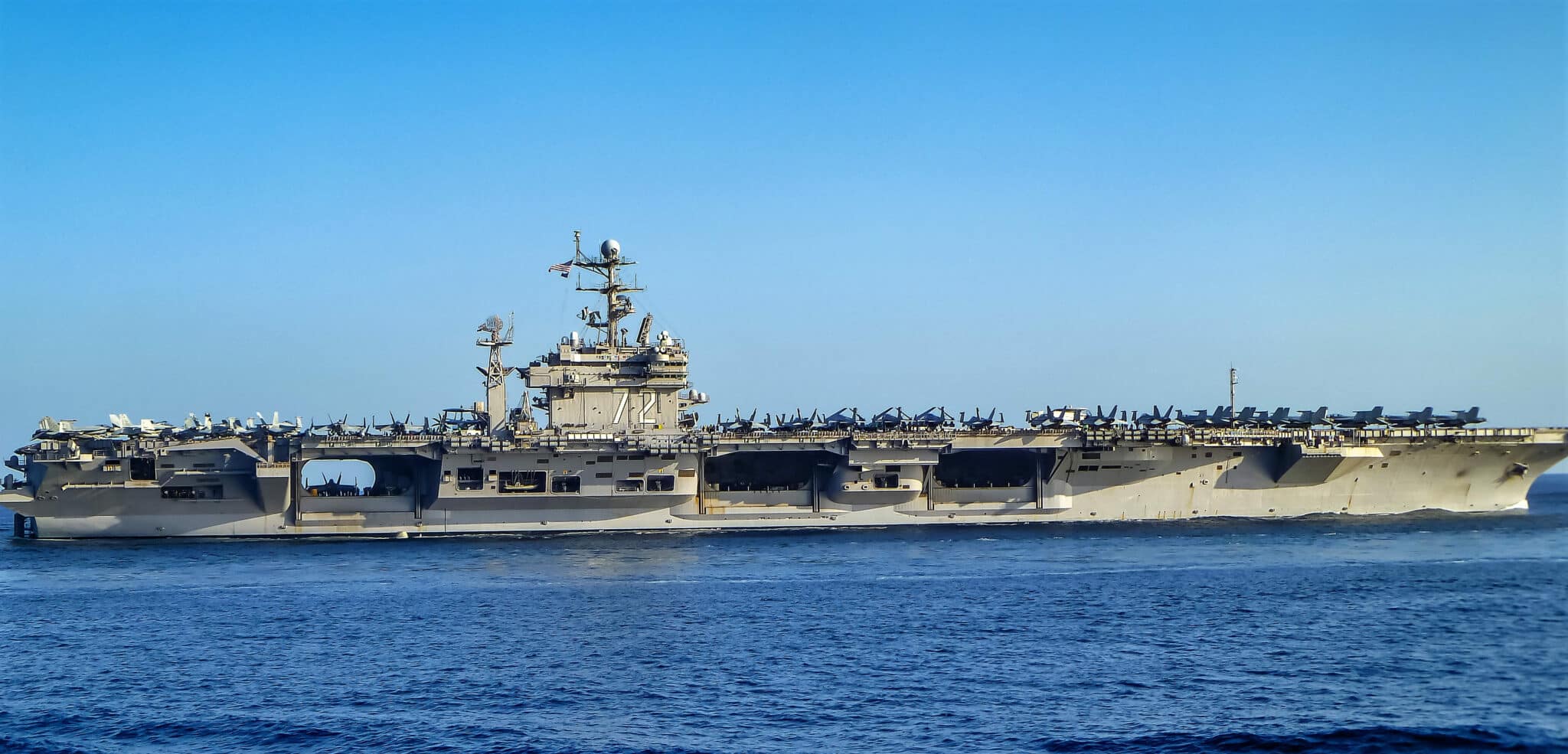
Naval platforms face continuous humidity and corrosion risks, while ground systems may encounter sand and dust intrusion that affects connector interfaces. In airborne applications, rapid altitude changes introduce pressure differentials that can influence moisture absorption and sealing integrity. Interconnect solutions must be engineered specifically to maintain performance across wide operating conditions.
Meeting the standards in mission-critical systems
Military and aerospace interconnect assemblies must meet rigorous qualification requirements to ensure performance under severe operating conditions. A range of established military and aerospace standards defines environmental testing procedures, construction criteria, and performance benchmarks for harsh-environment cable assemblies, covering everything from temperature cycling and vibration resistance to flammability and electrical integrity.
Assemblies listed in the Qualified Products Database (QDP) maintained by the Defense Logistics Agency have undergone extensive testing to validate compliance with these standards. Qualification provides engineers with confidence that assemblies have been evaluated for electrical performance, mechanical durability, and environmental resilience.
Qualification represents more than a documentation exercise or a one-time compliance milestone. It is a comprehensive demonstration that an interconnect system can maintain electrical integrity, mechanical stability, and environmental resilience throughout its intended operational lifecycle. For mission-critical platforms where failure can have immediate system-level consequences, this level of validated performance enables engineers to move beyond theoretical reliability and toward genuine deployment confidence grounded in proven, standards-based testing.
Managing loss, impedance, and shielding performance
As defense systems expand into higher-frequency operation, maintaining signal integrity across interconnect assemblies has become increasingly complex. High-frequency microwave and millimeter-wave applications are especially sensitive to insertion loss, impedance variation, and shielding effectiveness. Even small discontinuities at cable-to-connector transitions can introduce reflections that affect signal transmission quality.
Modern harsh-environment interconnect assemblies address these challenges through precision conductor design, advanced dielectric materials, and carefully engineered connector interfaces that maintain consistent impedance throughout the transmission path. Improved shielding designs help mitigate electromagnetic interference (EMI), ensuring that multiple RF systems can operate in close proximity.
Phase stability under pressure: Protecting signal precision in modern RF systems
For phased-array radar and advanced electronic warfare systems, phase stability is a critical performance requirement. These systems rely on precise phase relationships between multiple signal paths to perform beam steering, synthesis, interferometry, and signal correlation. Even small variations in temperature, mechanical stress, or material consistency can alter signal propagation characteristics, introducing phase shifts that degrade overall system effectiveness.
Cable assemblies engineered for harsh environments increasingly incorporate specialized conductor geometries and dielectric formulations that minimize phase change across temperature ranges. By controlling expansion coefficients, dielectric stability, and mechanical stress distribution, these assemblies help preserve consistent electrical length and signal timing even under significant environmental variation.
Consistent phase tracking between multiple cable assemblies allows complex antenna arrays and multi-channel RF architectures to maintain synchronization under varying operating conditions.
Preventing moisture, contamination, and long-term degradation
Environmental exposure is one of the most common causes of long-term interconnect degradation. Moisture intrusion, contamination, and corrosion can alter dielectric properties and increase attenuation, gradually reducing system performance.Cable-to-connector interfaces are particularly vulnerable if sealing integrity is not maintained.
Hermetically sealed and vapor-sealed assemblies provide protection by preventing environmental contaminants from entering the transmission path. Factory-terminated assemblies further enhance reliability by ensuring controlled assembly processes and consistent sealing performance. Integrated sealing solutions are especially valuable in maritime, airborne, and high-altitude environments where exposure risks are elevated.
The shift toward integrated interconnect engineering
One of the most significant developments in harsh-environment interconnect technology is the transition from component-level sourcing to integrated assembly engineering.
Designing cables, connectors, and transitions as a unified system enables optimized impedance control, improved shielding continuity, and enhanced mechanical strength at connection points. Integrated assemblies also simplify installation, reduce variability across deployments, and support more consistent performance throughout system lifecycles.
Designing for SWaP
Size, weight, and power (SWaP) constraints continue to reshape the architecture of modern defense platforms, particularly in airborne, space, and unmanned systems where every gram directly affects payload capacity, fuel efficiency, thermal management, and mission endurance. As sensors, communications, and electronic warfare systems grow more capable, the interconnect infrastructure supporting them must deliver uncompromised RF performance while occupying less space and contributing minimal mass.
Lightweight RF assemblies engineered to maintain low insertion loss, stable impedance, and high shielding effectiveness provide a critical advantage for system designers seeking to maximize operational capability without expanding platform size or power requirements.
Equally important, lighter and more flexible cable assemblies improve routing efficiency within tightly packaged systems, enabling more streamlined harness layouts and reducing mechanical stress at termination points. This combination of reduced mass, enhanced flexibility, and sustained high-frequency performance allows engineers to design next-generation platforms that meet aggressive SWaP targets without sacrificing signal integrity, reliability, or long-term durability.
Decades of defense engineering: How interconnect heritage drives innovation
Modern harsh-environment interconnect solutions reflect decades of engineering evolution shaped by defense system requirements. Early military communications and radar programs established foundational performance standards that continue to influence today’s interconnect specifications.
Over time, advances in materials science, conductor design, and manufacturing technologies have expanded the capabilities of RF transmission assemblies, enabling higher frequency operation, broader temperature ranges, and improved environmental resilience.
“At Times Microwave Systems, we have decades of pragmatic design experience which allow us to anticipate platform requirements and deliver solutions that meet today’s mission demands in harsh environments,” explains Chris Cooper.
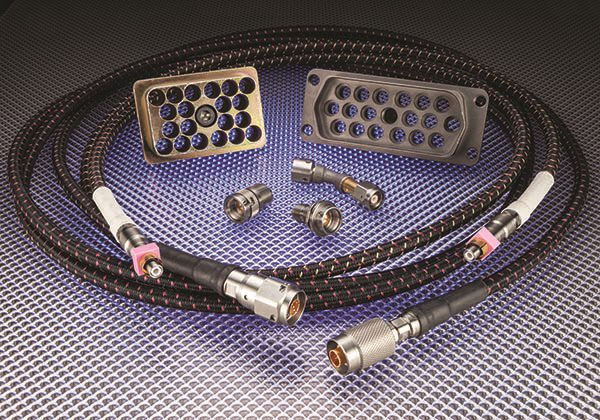
By combining proven qualification pedigree, integrated electromechanical engineering, and performance optimized for the harshest operational conditions, MilTech assemblies from Times Microwave Systems exemplify how modern RF interconnect solutions are evolving from passive components into strategically engineered infrastructure that enables next-generation defense capabilities.
Harsh-environment RF assemblies such as the MilTech family developed by Times Microwave Systems demonstrate how advanced interconnect engineering translates directly into operational advantage across modern defense platforms.MilTech assemblies incorporate vapor-sealed construction, rugged mechanical architectures, and proprietary conductor and shielding technologies optimized for low insertion loss, strong shielding performance, and stable phase characteristics across wide temperature ranges. Integrated cable-to-connector transitions are engineered as a unified system, eliminating common failure points while maintaining sealing integrity and electrical consistency throughout the entire transmission path—an increasingly critical requirement as defense systems operate at higher frequencies and tighter tolerances.
These assemblies are widely deployed across military airframes, satellite communications systems, phased-array radar installations, electronic warfare platforms, missile systems, and advanced test environments where interconnect reliability directly influences mission success.
Interconnects in hypersonic, space, and UAV Systems
As defense technologies evolve toward higher frequency operation, greater system integration, and more autonomous platform architectures, the importance of robust RF interconnect infrastructure will continue to increase.Across airborne, maritime, ground, and space platforms, harsh-environment RF interconnect assemblies form the backbone of mission-critical communications, sensing, and electronic warfare systems. As operational demands continue to expand, the engineering discipline behind these assemblies will remain essential, enabling the performance, reliability, and resilience that modern defense platforms require.
Learn more about RF solutions for high-reliability harsh environments at Times Microwave Systems
Like this article? Check out our other articles on Harsh Environments, High-Reliability and RF and COAX, our Wire and Cable Assemblies Market Page, and our 2026 Article Archive.
Subscribe to our weekly e-newsletters, follow us on LinkedIn, Twitter, and Facebook, and check out our eBook archives for more applicable, expert-informed connectivity content.

- Printing at the Edge of Possibility: How TE Connectivity Leverages Micro-3D Printing - October 13, 2026
- A Five-Layer Clad Solution for High-Performance Battery Interconnects - October 6, 2026
- High Voltage Interlock for Commercial Vehicles: A Must-Have or a Nice to Have? - September 29, 2026