Engineering Sustainable Connectors for Harsh Environments
Dependable connectivity is vital to safe and efficient technologies. However, this can be especially challenging in outdoor environments where exposure to the elements and unpredictable conditions impact the integrity of interconnects. Advances in materials and design help meet performance, safety, and sustainability goals.
Article Contributed by Tristan Stubbs, Mechanical Engineer at Bulgin
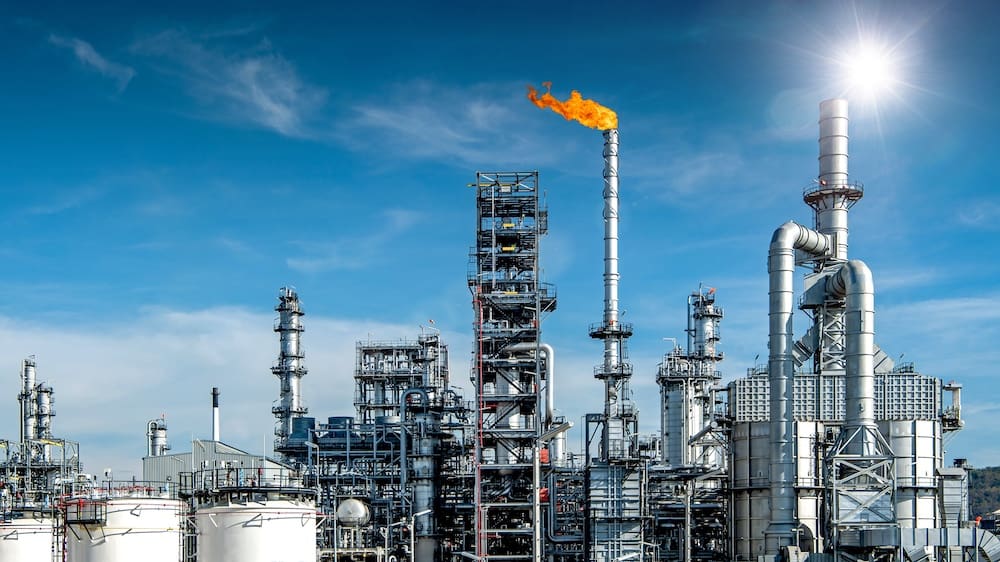
Dependable electrical connectivity is vital to maintain safe and efficient operations in every industry. However, this can be especially challenging for outdoor technologies in industrial, agriculture, transportation, and other harsh environments where exposure to unpredictable conditions impacts the integrity of electrical connectors.
Harsh elements can be detrimental to the longevity and performance of outdoor electrical components. Exposure to rain, dust, salt, and UV sunlight can gradually erode materials to reduce product longevity and reliability. This poses a challenge for applications that require constant power all year round, from street lighting and traffic control to food production, as disruptions can lead to safety risks and costly downtime.
Another challenge to specifying connectors is the environmental considerations; manufacturers are striving to maintain high performance and durability in their products while transitioning to more sustainable materials. Advances in renewable, bio-based plastics are enabling the development of connectors that deliver high performance in rugged applications while simultaneously supporting environmental stewardship and human health.
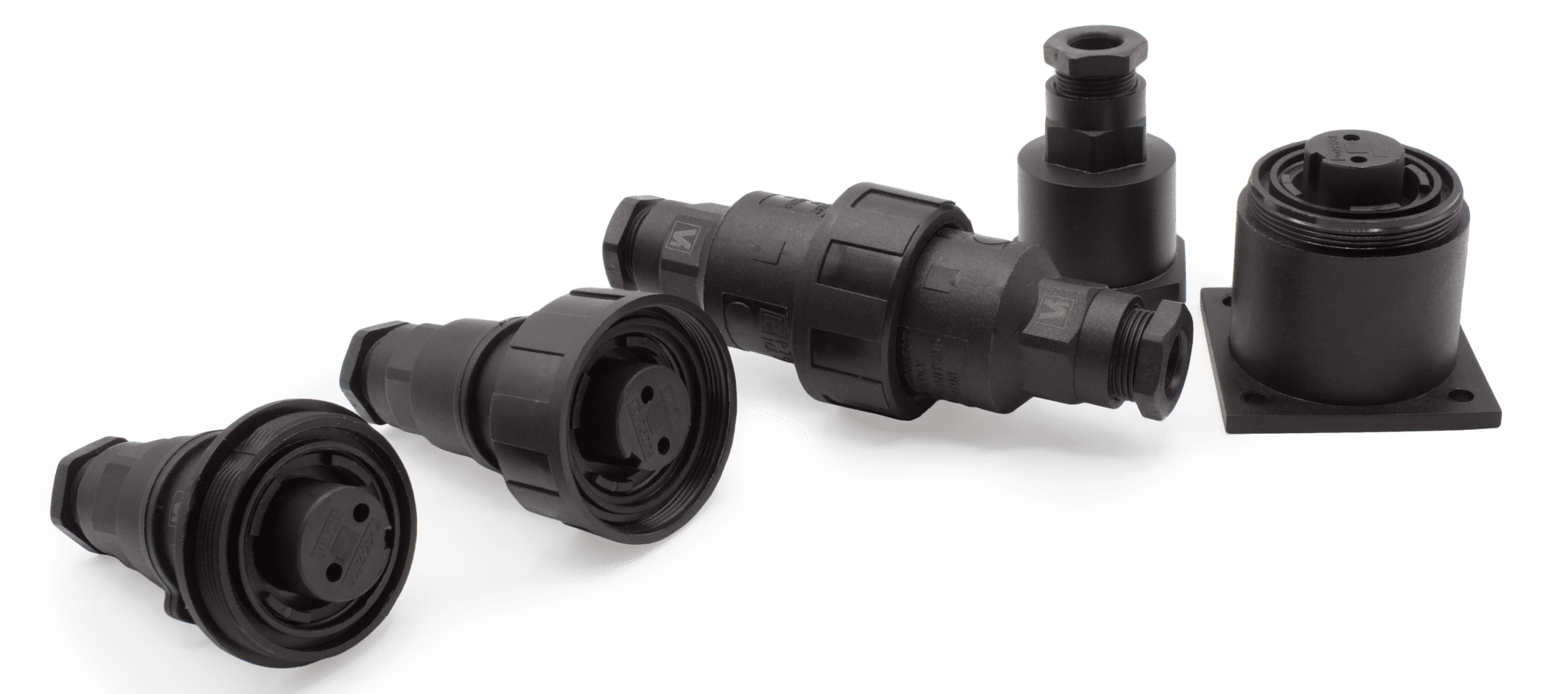
Bulgin is investing in new processes and materials to create more sustainable connectors. The Buccaneer Vitalis series is 86% bio-based by weight.
Reliable power in demanding environments
Connectors designed to deliver reliable performance in all weather conditions should feature an IP68 rating that guarantees protection against the ingress of dust, moisture, and other contaminants. UV-stabilized materials resist degradation under prolonged sunlight exposure, safeguarding mechanical strength and electrical performance over time. Materials designed for rugged performance provide reassurance that changing conditions won’t impact reliability.
The outer shell of a connector is one of its most crucial aspects, providing the first line of defense against physical damage and environmental exposure, followed by compression glands and O-rings. Although metal shells were traditionally used for their high heat tolerance and strength, they were inhibited by their weight, cost, and tendency to corrode in waterlogged environments. This has resulted in a shift toward climate-resistant plastics for many applications, as these materials offer benefits in terms of weight, versatility, and cost. Additionally, longer-lasting connectors require less frequent maintenance and replacement, which aids in reducing material waste and improving overall sustainability.
Advances in sustainable materials
The production of plastics is associated with greenhouse gas emissions and the depletion of finite resources. In response to environmental regulations and growing pressure to provide safer and more sustainable products, manufacturers are investing heavily in research and development to create viable alternatives to traditional petroleum-based plastics and other chemicals used in manufacturing electronics.
Bio-based plastics are among the most promising of these solutions, as they are chemically identical to conventional polymers, but are produced using renewable raw materials such as biomass waste, cellulose, or plant-based sugars. Because these sources use carbon captured from the atmosphere, the overall carbon footprint is significantly smaller. Studies suggest that replacing Europe’s conventional polyethylene (PE) consumption with bio-based equivalents could save an estimated 73 million tons of CO₂ annually.1
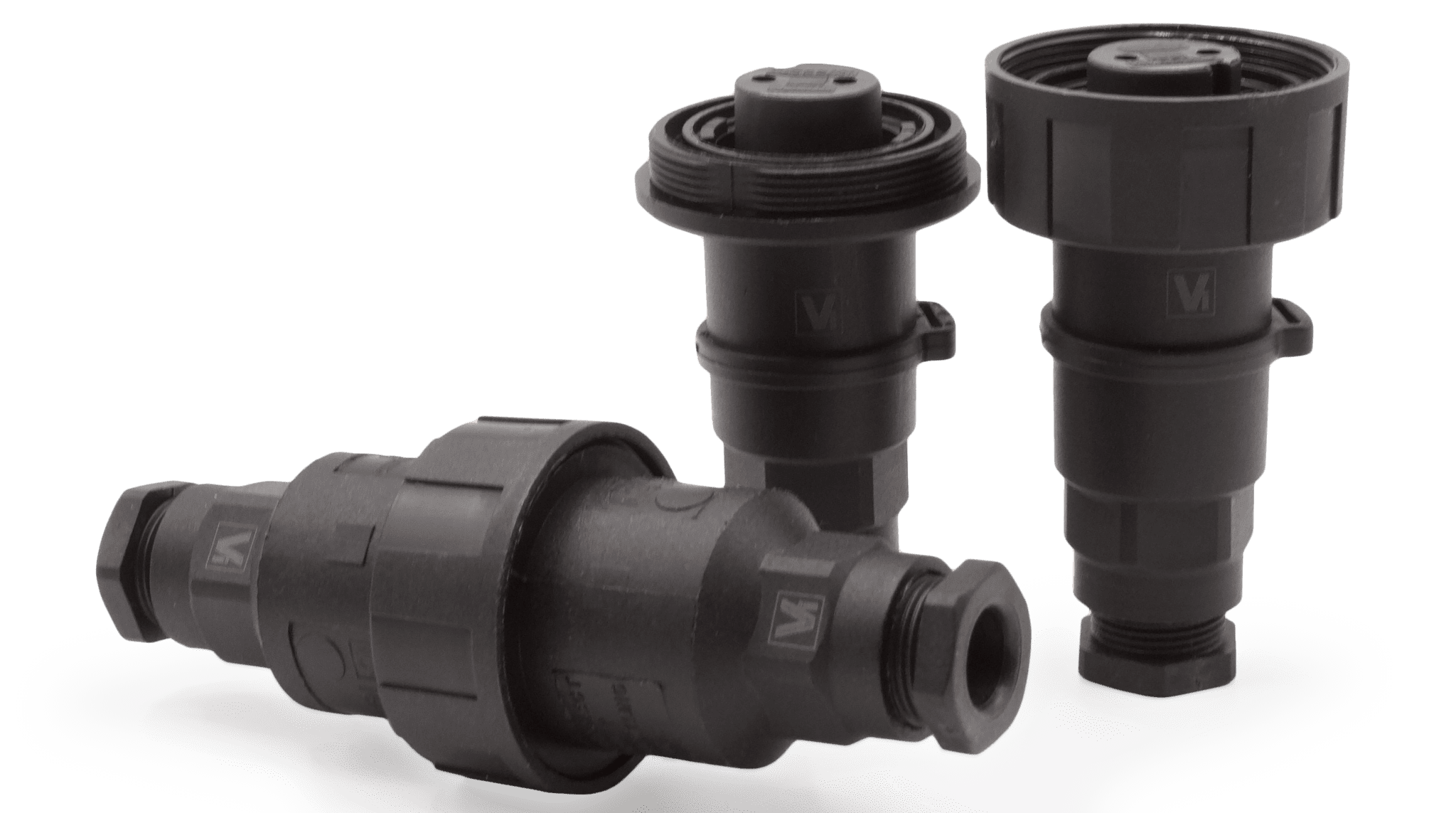
Bulgin’s new Standard Vitalis Buccaneer sustainable connector retains all the specifications of the Standard Buccaneer, widely considered the gold standard for dust- and waterproof circular connectors.
However, for their widespread adoption to be feasible, these new materials must continue to match the strength, durability, and versatility of existing plastics, making them suitable for demanding industrial applications. Recent innovations in polymer science mean that the global bioplastics market is projected to grow at a compound annual rate of 19.5% between 2025 and 2030, indicating a shift in attention across industries toward renewable, green materials.2
Designing a sustainable future
Connector suppliers are investing in biomaterials to use in place of, or alongside, products made from traditional plastics. These new materials retain the high performance and resilience of previous plastics but reduce carbon emissions and the release of chemical compounds into the environment.
Bulgin’s new Standard Vitalis Buccaneer is a more environmentally sustainable connector based on the popular Standard Buccaneer rugged circular connector. This new connector range contains up to 86% bio-based content by weight without compromising performance. Two new plastics, one derived mainly from tropical castor beans that don’t compete with the food chain, and another sourced primarily from biomass waste and residue, are used in the connector’s housing, which delivers the same rugged performance as its predecessor, including sealing to IP69K.
Although electrical connectors account for a small proportion of global plastic consumption, their ubiquity across countless industrial systems means that even small material changes can make a measurable environmental difference over time. By embedding renewable materials into such widely used components, Bulgin has demonstrated that high performance and environmentally conscious designs can coexist.
Learn more about Bulgin’s innovative harsh environment connectors.
References

- Grand View Research. (2025). Bioplastics Market (2025-2030). Accessed online 25 September 2025.
- European Bioplastics. (2024). European Bioplastics urges for a Biopolymers Industrial Action Plan. Accessed online 25 September 2025.
Like this article? Check out our other Circular Connectors and Standards articles, our Industrial Market Page, and our 2025 and 2026 Article Archives.
Subscribe to our weekly e-newsletters, follow us on LinkedIn, Twitter, and Facebook, and check out our eBook archives for more applicable, expert-informed connectivity content.

- The Challenges of Electric Flight: How Engineers Are Rethinking Power - October 20, 2026
- Printing at the Edge of Possibility: How TE Connectivity Leverages Micro-3D Printing - October 13, 2026
- A Five-Layer Clad Solution for High-Performance Battery Interconnects - October 6, 2026