Fortifying Connectivity: The Essential Role of Ruggedized Connectors in Extreme Applications
Connectivity is crucial for the seamless operation of technologies in industries that operate under extreme conditions. A harsh environment is typically defined by factors such as extreme temperatures, high humidity, corrosive substances, excessive dust, and significant vibration. These conditions can severely impact the performance and longevity of electronic components, making ruggedized connectors essential.

Article Contributed by Powell Electronics
Industries such as aerospace, military, agriculture, and renewable energy frequently face these challenges. For instance, aerospace applications require connectors that can withstand extreme temperatures and pressures, while military equipment must endure harsh battlefield conditions. Similarly, agricultural machinery operates in environments filled with dust and moisture, and renewable energy installations, such as wind turbines, are subject to high winds and varying temperatures. In these sectors, the reliability of connectors is not merely advantageous; it is critical for ensuring safety, efficiency, and operational continuity.
The role of materials and technology
The materials used in ruggedized connectors play a vital role in their ability to withstand harsh conditions. Traditional connectors may not suffice in extreme environments, leading to failures that can cause significant downtime and financial loss. Ruggedized connectors often incorporate materials such as stainless steel, aluminum, and specialized plastics that offer enhanced resistance to corrosion and mechanical stress.
Advancements in technology have further improved the durability and reliability of these connectors. For instance, advancements in coating technologies, such as nickel plating or anodizing, provide additional protection against corrosion. Moreover, the development of high-performance polymers has enabled manufacturers to create connectors that can endure extreme temperatures without compromising their structural integrity.
Additionally, many ruggedized connectors are designed with features like overmolding, which encapsulates the connector body with a durable elastomer to protect against physical damage and environmental factors. This innovation not only enhances durability but also provides improved sealing against moisture and dust ingress.
Real-world applications highlight the importance of ruggedized connectors
Aerospace
In the aerospace sector, connectors must meet stringent standards for durability and reliability. For example, connectors used in aircraft avionics systems must operate effectively at altitudes of up to 40,000 feet, where temperatures can plummet and atmospheric pressure can vary dramatically. One notable case is the use of ruggedized connectors in the Boeing 787 Dreamliner. These connectors are designed to withstand extreme vibrations and temperature fluctuations, ensuring that critical systems such as navigation and communication remain operational throughout the flight.
Military
The military sector presents some of the most demanding conditions for connectors. Equipment deployed in combat zones must endure dust, moisture, and extreme temperatures. For instance, the U.S. Army employs ruggedized connectors in its tactical communication systems. These connectors are tested against MIL-STD-810 specifications to assess their performance under various environmental stresses, including shock, vibration, and extreme temperatures. The successful deployment of these systems relies heavily on the reliability of these connectors in harsh military environments.
Agriculture
In agricultural applications, machinery operates in environments filled with moisture, dust, and extreme temperatures. For instance, a leading manufacturer of agricultural equipment utilizes ruggedized connectors in their combine harvesters. These connectors are designed to resist dust and moisture, ensuring that the machinery operates efficiently during long harvest seasons. The durability of these connectors minimizes maintenance needs, allowing farmers to focus on productivity rather than equipment reliability.
Renewable energy
The renewable energy sector relies on ruggedized connectors to maintain system integrity. Wind turbines are subject to harsh weather conditions, from heavy rain to extreme winds. A case study of a major wind farm in the Midwest reveals that the ruggedized connectors used in turbine control systems are specifically designed to withstand these conditions. These connectors ensure reliable communication between sensors and control systems, enabling optimal performance and safety of the turbines.
Design considerations
When designing connectors for extreme conditions, several critical features must be considered to ensure their suitability and longevity.
Sealing mechanisms
Effective sealing is paramount in protecting connectors from moisture, dust, and other contaminants. Many ruggedized connectors utilize gaskets and O-rings made from materials like silicone or fluorocarbon to create a tight seal. For example, connectors from suppliers like TE Connectivity incorporate advanced sealing technologies that provide IP67 or IP68 ratings, indicating their resistance to water and dust ingress.
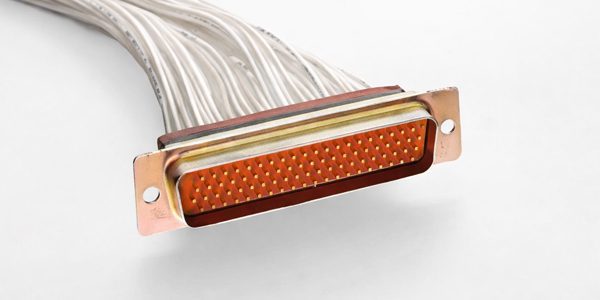
TE Connectivity’s Amplimite IP67 sealed D-subs: MIL-Spec D-sub connectors with water and dust ingress protection to IP67
Strain Relief
Strain relief is another essential design consideration. Connectors must be able to withstand mechanical stress caused by movement or vibration. Ruggedized connectors often feature integrated strain relief mechanisms, such as molded or crimped cable exits, which help distribute stress and prevent damage to the cable and connector interface. For instance, Amphenol’s ruggedized connectors are designed with reinforced strain relief to enhance durability under extreme conditions.
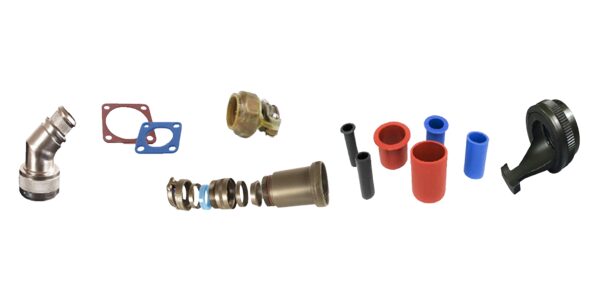
Amphenol PCD’s complete collection of backshells
Thermal Management
In applications where temperature fluctuations are significant, thermal management becomes crucial. Connectors must be able to dissipate heat effectively to prevent failures due to overheating. Some ruggedized connectors incorporate heat-resistant materials and thermal management technologies to ensure reliable operation in high-temperature environments. For example, Honeywell’s Micro-D connectors are designed for high-performance environments, featuring thermal management capabilities that help dissipate heat effectively.
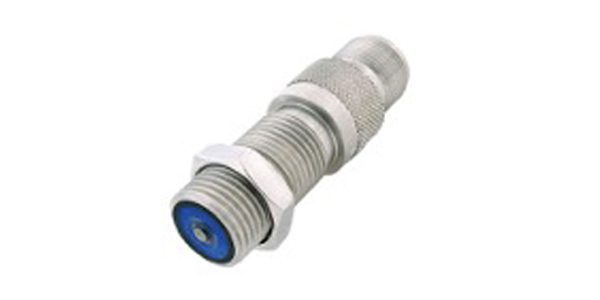
Honeywell’s High Temperature VRS sensors are designed for use in applications where the sensor is exposed to temperatures up to 260 ºC/450 ºF
Visit Powell Electronics to learn more. Or reach out to a Powell representative at [email protected] for more information or support on your latest design.
Like this article? Check out our other Military and Aerospace Market Page and our 2026 Article Archives.
Subscribe to our weekly e-newsletters, follow us on LinkedIn, Twitter, and Facebook, and check out our eBook archives for more applicable, expert-informed connectivity content.

- Printing at the Edge of Possibility: How TE Connectivity Leverages Micro-3D Printing - October 13, 2026
- A Five-Layer Clad Solution for High-Performance Battery Interconnects - October 6, 2026
- High Voltage Interlock for Commercial Vehicles: A Must-Have or a Nice to Have? - September 29, 2026