Artificial Intelligence Joins the Military
The role of AI in military operations is expanding to battlefields, where it is used to defend, attack, and observe. This technology has great potential but comes with considerable technical and ethical considerations.
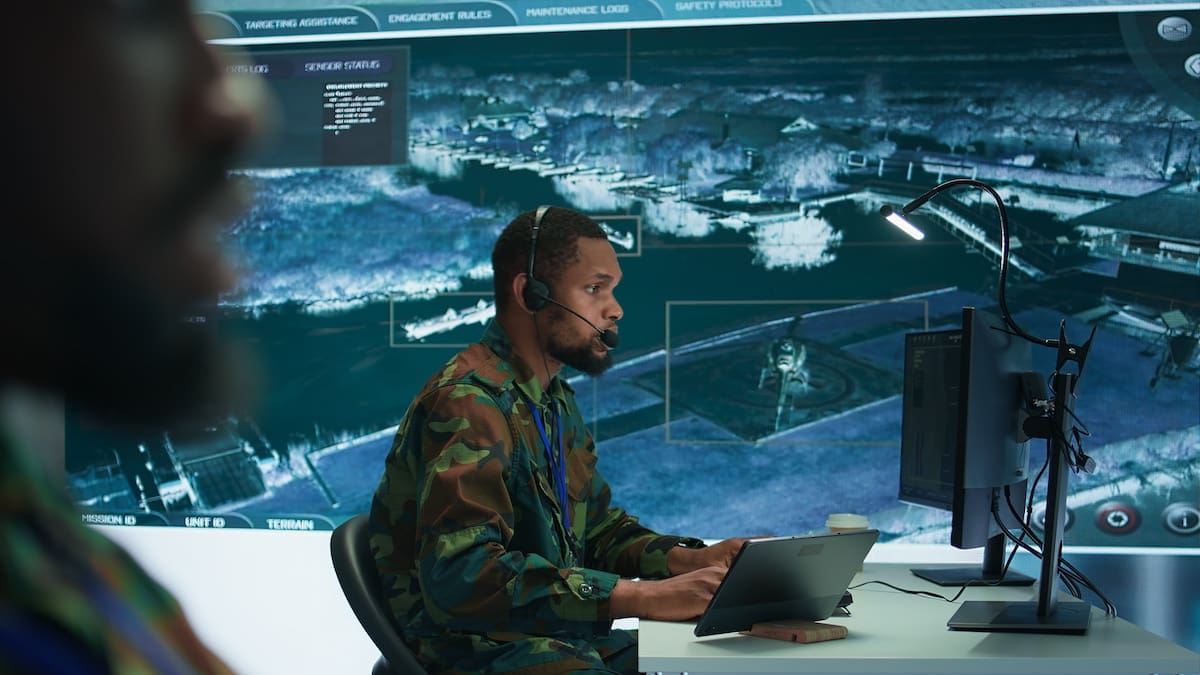
Artificial intelligence is playing a new role in civilian life, business operations, and government projects, and it has now expanded to military applications as well, where AI-assisted software augments technologies such as drones, ground robots, electric combat vehicles, and soldier-worn technologies to assist on the battlefield. AI helps these systems process large amounts of data quickly, providing soldiers with real-time information and enabling command to make critical decisions with richly detailed intelligence.
This powerful new technology is rapidly advancing military capabilities. Its benefit to soldiers extends from tactical advantages to physical protection. AI improves decision-making for overall more successful strategies and reduces the need for a human presence in dangerous situations. AI can help analyze the battlefield and determine when tactical ground robots should be utilized instead of soldiers. These robots can navigate terrains and handle explosives, reducing the risk of harm to personnel. Robotic dogs can also carry or retrieve equipment, reducing the load and the risk for human soldiers.
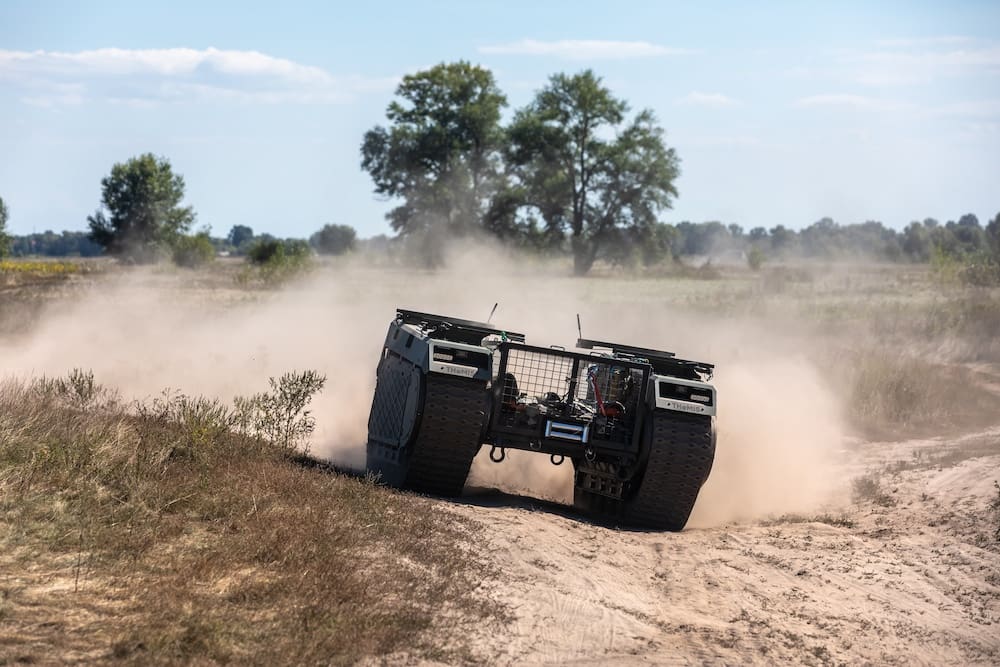
In modern warfare, robots built using durable and reliable electrical connectors are used to support soldiers in harsh environments.
War puts significant stress on the human body, and soldiers can become fatigued, impairing their ability to focus and perform effectively. This can lead to human error, which in turn can harm mission success or result in injuries. With AI, soldiers can better utilize their time and energy. For instance, rather than driving combat vehicles or flying aircraft, AI and automation can take complete control over military vehicles and allow soldiers to focus their efforts elsewhere, such as prepping for battle. This can significantly reduce the risk of injury and increase the chances of mission success. The benefit is clear: Robotic technologies save human lives.
AI also facilitates more accurate data analysis and more effectively targets opponents. Automated technologies enable commanders to make smarter and safer decisions in combat. With the assistance of data collected by drones, AI can identify and communicate risks over a broad area. These combined technologies accurately identify objects even from a great distance, providing an advantage in preparing for an attack.
Cyber risks and ethical considerations
However, bringing AI onto the battlefield also adds potential risks and poses ethical concerns. Countries around the world are meeting to rethink the rules of engagement. These advanced military technologies are not accessible to every country. With robots capable of performing tasks more efficiently and precisely than humans, the potential for one side to have an unfair advantage by replacing human soldiers with machines, leading to one-sided bloodshed, is great.
On the other hand, some see AI as a potential risk. For example, cybersecurity threats are a major concern. AI is susceptible to hacking or manipulation by adversaries. Also, if these systems are compromised, sensitive information can be stolen and exploited to the opposing side’s advantage. Even if an army doesn’t possess the latest physical technology, it may be able to breech security and attack its opponent.
Another issue arising from the use of AI is its unpredictability. In the event of an error, it can be difficult to determine who is responsible. This concern becomes more significant as AI technologies become more advanced with the potential to carry out tasks autonomously. An AI malfunction leading to the harm of innocent civilians is a serious error, and AI could make it unclear who should be held accountable. Furthermore, granting machines “a mind of their own” could lead to unforeseen consequences. Humanity must approach the development and deployment of these technologies with caution.
The debate about the use of AI in modern warfare is endless. However, the reality is that AI is already being implemented in military technologies worldwide, and nations must be equipped to protect and defend themselves. To develop technologies that can endure the rigors of the battlefield, designers must work with trusted providers of military-approved and harsh environment interconnects.
Visit PEI-Genesis to see the latest solutions for military electronics.
Article Contributed by PEI-Genesis
Like this article? Check out our other Robotics and Artificial Intelligence articles, our Military and Aerospace Market Page and our 2025 Article Archives.
Subscribe to our weekly e-newsletters, follow us on LinkedIn, Twitter, and Facebook, and check out our eBook archives for more applicable, expert-informed connectivity content.

- Printing at the Edge of Possibility: How TE Connectivity Leverages Micro-3D Printing - October 13, 2026
- A Five-Layer Clad Solution for High-Performance Battery Interconnects - October 6, 2026
- High Voltage Interlock for Commercial Vehicles: A Must-Have or a Nice to Have? - September 29, 2026