Rodent-Resistant Electronics
Order rodentia poses one of the greatest and most random threats to electronics. Squirrels, mice, marmots, and other wildlife gnaw on cables, wires, and connectors, disconnecting power, disrupting service, grounding vehicles, and even causing fires. Solutions range from physical barriers like metal wire sleeving and cable conduit to a new generation of plastic materials that resist or repel troublemakers.
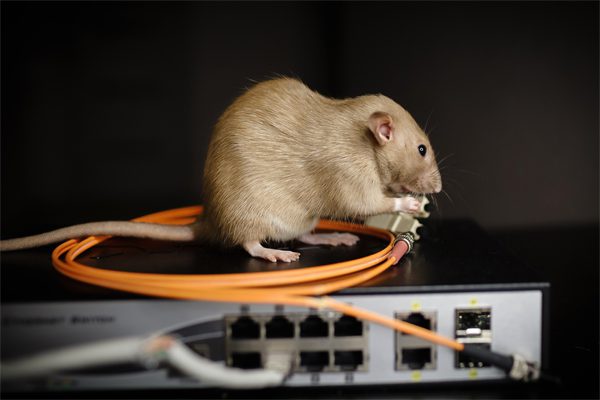
Some of the biggest threats to connectivity are quite small. Rodents, with their sharp teeth, cause system outages, loss of connectivity, fires, and millions of dollars of damage to electric and electronic systems every year by chewing wire and fiber optic cables. While some believe that the problem began with soy-based cable jacketing, mice have chewed on cables since the advent of the auto industry, and on electrical wiring in buildings since the earliest days of electricity. Mice are a leading cause of building fires due to the damage they cause to wiring. Squirrels are a common factor in power or communications outages because they often chew on lines.
These problem rodents aren’t necessarily eating the material; they are chewing on it because their teeth require wear. Order Rodentia, a group of mammals that includes mice, marmots, rats, squirrels, beavers, chipmunks, and others, is characterized by a common trait: They all have continuously growing incisors that must be filed down by chewing on hard or abrasive materials like wood and rough grasses. The drive to chew causes them to sample just about anything, including wires and cables that may be running through their environments, or potential nesting areas such as warm vehicle engine compartments. And it’s not just rodents: Other curious animals also find rubbery jacketing materials satisfying to chew on, out of curiosity or for “teething” purposes, such as young canines with emerging teeth.
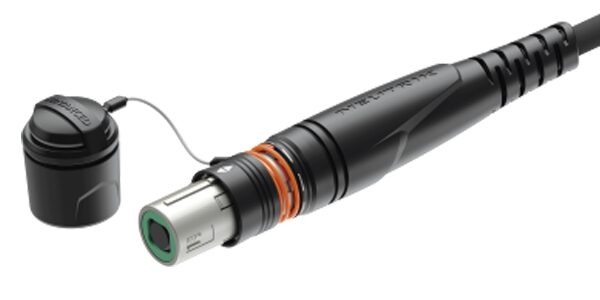
Neutrik’s opticalCON X-TREME cable is a ruggedized choice for demanding applications such as outdoor broadcast setups where cable is exposed to the elements — including chewing wildlife.
“The PGA tour is one example where cables are strung across open areas, and the coyotes and rabbits tend to nibble on these cables,” said Brant Mathiason, customer solutions engineer at Neutrik. The company has developed ruggedized cable solutions to deter animals from shutting down a competition or live event. Neutrik’s X-TREME cable jacketing is cut-proof and rodent-resistant with a double-jacket, glass-yarn armored cable construction. It is an optional protection that is commonly added to cables that run through environments with wildlife. “Many of our fiber optic cables have X-TREME and armored cable options. These options help protect the cable from animals and other hazards that could cut through traditional cables.”
This rugged strategy for cable construction isn’t just protection against animals, Mathiason says. It’s suitable for numerous harsh environments. “Other areas where sturdy cables are needed are around event venues where cables get beat up due to so much equipment being moved around.”
Material matters
Sometimes animals do chew on cables because the material is appetizing. Some plastics and composite materials used in connector and cable jacketing have a sweet or salty taste. Cables that contain rope or fabric can be shredded to make nesting material. With those sharp teeth, even materials that wouldn’t seem edible are at risk. “Overall, rodents love to eat fiber glass. They will chew through PVC jacket and Kevlar to get to the fiber glass,” said Jessica Tropea, fiber optics solutions engineer, Neutrik. “The protection of the steel armored braid is primarily designed to protect the data signal, which lives in the glass. A layer of steel braided armor over these layers prevents the rodents from chewing into the glass layers, potentially impeding data signal flow.”
Cable needs to be protected from rodents in outdoor, indoor, and enclosed environments—basically, anywhere rodents can access, which is just about everywhere. “The biggest user of [Neutrik’s] armored cables has been in transit systems such as underground subway lines,” said Tropea. “It is also widely used in industries such as sports events, concerts, and agriculture. With live events, the cables are used over and over, so the durability of the armored cable increases the longevity of these cables for harsh environments. That includes foot traffic from people as well as rodent damage.”
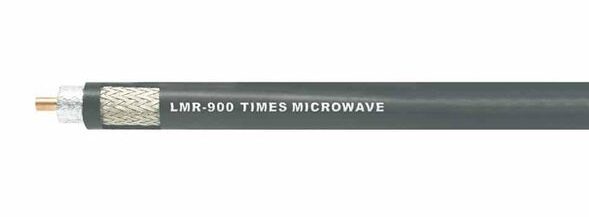
Times Microwave Systems’ RodentRepel cable jacket contains a non-hazardous, non-toxic additive that discourages rodents and other animals from chewing the cable. The repellent emits a scent that animals associate with predators. They interpret this smell, which humans can’t detect, as a danger signal and avoid the cables.
Time Microwave Systems has developed a cable jacket material that actively repels rodents. “Rodents are the number one cause of jacket breaches with all outdoor cables, said Kevin Moyher, product manager, Times Microwave. “The RodentRepel cable uses a PE jacket compounded with an additive that gives off a faint scent that is objectional to many small animals. It was developed to support large, over the horizon radar (OTHR) projects where the cables must lay on the ground outdoors for many years.”
OTHR is a type of radio technology that can detect targets at very long range, including beyond the radar horizon, and equipment is installed in outdoor, often remote locations. “Many or most of these OTHR projects are mission critical. Water ingress can be fatal to an RF interconnect. We have our DB product, which uses a water block material under the jacket to prevent moisture from migrating through the cable in the case of a jacket breach,” said Moyner. “The RodentRepel product uses the DB flooding material and goes the extra step of adding the scent, which greatly reduces the chance that an animal will decide to nibble on the cable.”
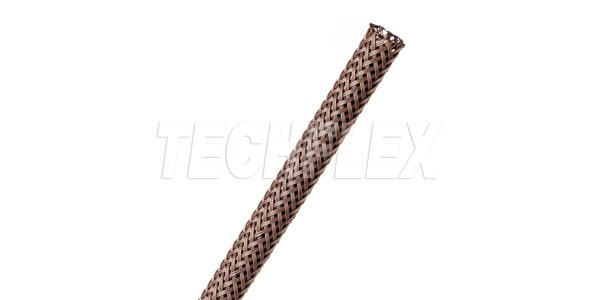
TechFlex, available from Waytek, is a flexible braided hose and cable conduit that rodents avoided even when stuffed with food for in-house testing. The secret ingredient is a layer infused with spicy capsaicin.
A combination of repellant taste and smell, plus a physical barrier that is unfriendly to little teeth is the strategy used in the TechFlex Flexo Rodent Resistant Sleeving, available from Waytek. It includes a layer of capsaicin, the spicy active component in chili peppers. This expandable sleeve can be used in automotive compartments, building systems, and industrial equipment in indoor and outdoor environments. It slides over cables and wires, and protects them against abrasion, heat, and impact, as well as rodents with a fine copper mesh that gets stuck in tiny teeth. But the capsaicin is a powerful irritant that should stop further activity. It’s so powerful, in fact, that humans should be careful when installing cable with this material, as it burns the hands and eyes too.
To learn more about the companies mentioned in this article, visit the Preferred Supplier pages for Neutrik, Times Microwave Systems, and Waytek.
Like this article? Check out our other articles on our Wire and Cable Assemblies Market Page, and our 2026 Article Archive.
Subscribe to our weekly e-newsletters, follow us on LinkedIn, Twitter, and Facebook, and check out our eBook archives for more applicable, expert-informed connectivity content.

- Connectivity Is Reshaping Police and Security Vehicle Fleets - September 8, 2026
- Thermal Management Strategies with Liquid Cooling Connectors - August 11, 2026
- Rodent-Resistant Electronics - July 28, 2026