CASE STUDY: Development of a RoHS-Compliant Ultra-High-Strength Copper-Based Alloy
Engineers have been trying for years to massively reduce the lead content in copper-based alloys to comply with RoHS. Learn how a new lead-reduced Emery Low Lead alloy tested in various industrial fields of application and manufacturing processes.
Article contributed by Dr. Andreas Frehn, Materion Brush GmbH, Germany, and Mike Gedeon and John Nickell, both Materion Performance Materials, USA
The challenge
For decades, there have been discussions about reducing lead in copper-based alloys, as lead can contaminate the soil and water, which has a negative impact on human health and wildlife. Furthermore, its presence in the alloys complicates recycling processes and requires careful handling to avoid the release of harmful pollutants. Due to this, a lead content of maximum 4% is currently allowed in copper-based alloys according to the European RoHS Directive 2002/95/EC, Annex Item 6. However, this exemption is temporary and may not be extended in the near future. For this reason, engineers have been trying for years to massively reduce the lead content to a maximum of 0.1% and to have the new material ready by the time the RoHS Directive exemption expires. The unclear situation around this extension has resulted in uncertainty in the market, i.e., among copper manufacturers and processors, so that there are customers today who already demand alloys with the new lower limiting value but identical properties to lead-containing alloys.
Creating a low-lead alloy to replace the current material is challenging. The positive effect of lead on machinability and other properties such as frictional wear, corrosion or the forming behavior must be achieved by other suitable means. There are already a few copper-based alloy alternatives with reduced lead content available, but which, according to the feedback from the industry, are not considered technically equivalent and require corresponding modifications in the machining process. And these characteristics are only available in low- or medium-strength alloys. For ultra-high-strength copper-based alloys, which are the main focus in this article, there were no alloy alternatives available yet. Thus, some of our customers continue to use the lead-containing Alloy M25, which has a lead content between 0.2 and 0.6% and is still considered as the benchmark alloy in the ultra-high-strength and easily machinable area. Others switched to Alloy 25, which does not contain lead, but is otherwise the same alloy and has the same mechanical properties as Alloy M25. However, we often got feedback that the machinability deteriorated significantly in this alloy, relative to Alloy M25, due to the lack of lead. This defined the strong desire for a lead-reduced alloy in the ultra-high-strength range with a machinability like the lead-containing Alloy M25.
Figure 1 shows the available materials and the corresponding requirements for the new alloy. The development of the new alloy, particularly the challenge of replacing lead with other elements, was carried out internally at Materion. Materion has been engineering, producing, and selling high-performance alloys for over 80 years. However, very early during this project, the question arose as to how the machinability of high-strength copper materials could be comparatively tested and which machining type would be used for this. At this point, the MTI of RWTH Aachen University came into play as a project partner, which had previously developed a characterization method based on external longitudinal turning in another project for low- and medium-strength copper-based alloys. In addition, several customers trialed the developed alloys on their series equipment along with existing products and gave us valuable feedback on machining behavior in these demanding applications.
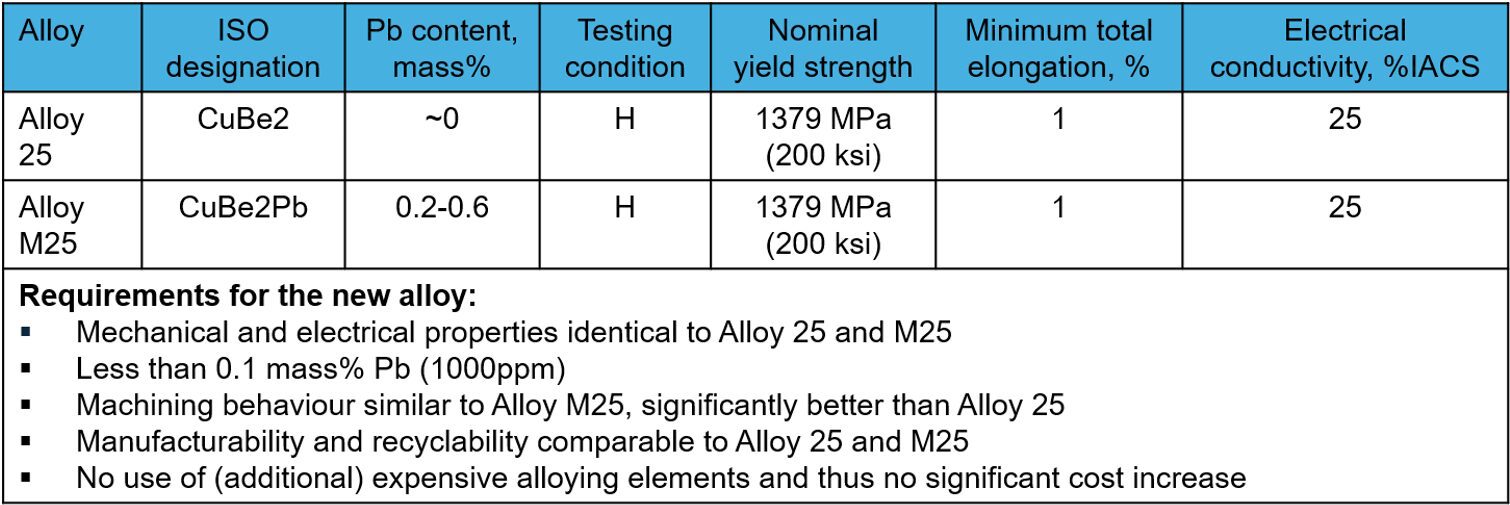
Figure 1. Benchmark materials and requirements for the new alloy
The solution
During development, we followed a methodological approach and ran through a typical stage gate process with defined milestones. First, we decided which chip breaker we could add in place of lead, after extensive research and considering our own test results. The second step was to determine how to measure the machinability and compare new results to our standard Alloy M25 and Alloy 25. To make the machinability evaluation reproducible and comparable throughout the entire development process, the method of machinability indices developed by the MTI of RWTH Aachen was used. For the development project, the method was refined specifically for the characterization of ultra-high-strength alloys, so that the influence of various material optimizations on machinability could be assessed precisely and consistently. The machinability indices are based on a methodology developed at the MTI of RWTH Aachen University, which was originally designed for the comparative evaluation of the machinability of different low- and medium-strength copper alloys, Figure 2.
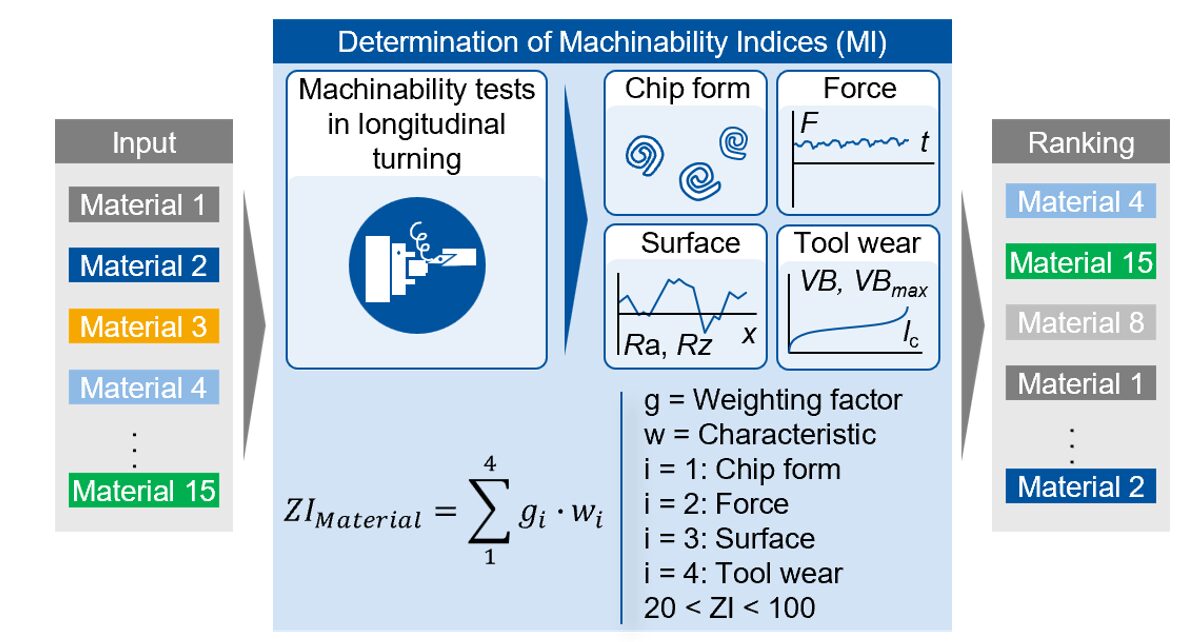
Figure 2. Methodical approach to machinability assessment using machinability indices (Image: MTI RWTH Aachen University)
The four central machinability criteria (chip form, cutting force, surface roughness, and tool wear) are recorded and evaluated under the most constant and reproducible boundary conditions possible regarding machine, process, tool, and peripherals in the external longitudinal turning process. The quantitative variables of cutting force, open tool wear, and roughness of the machined surface, as well as the qualitative evaluation of the chip shape, are then converted into standardized index values between 20 (low machinability) and 100 (very good machinability). These four individual criteria can be weighted differently depending on the relevant target application. The resulting one-dimensional overall index in the range of 20 ≤ ZI ≤ 100 finally enables an objective ranking of different materials regarding their machinability. All tests were carried out at the MTI of RWTH Aachen University on a DMG MORI NZX 1500 / STY3. The tool used was a Kennametal CNGP120408FP indexable insert made of the KC5010 substrate, which was fixed to a Kistler 9119AA2 force measuring platform via a matching C-plate holder. The test materials with a bar diameter of D = 40 mm were continuously fed using a Breuning IRCO-ILS-MUK-70-III bar feeder. All tests were carried out using conventional flood cooling to ensure that the tool´s cutting edge was continuously and completely wetted with cooling lubricant. A Blaser Blasomill GT 22 cutting oil was used as a coolant.
This method was first applied to characterize the benchmark alloys Alloy M25 and Alloy 25. This was followed by the determination of new compositions, the production of these trial materials and machinability testing so that a direct comparison with the values of the two benchmark alloys became possible. This was performed in several iterations, testing more than 20 alloy concepts. Based on all these results, a down-selection of the composition was made. We created one final composition with the best property combination that came closest to that of the lead-alloyed benchmark Alloy M25 and best met the initially defined requirements. After deciding the final chemical composition, further laboratory tests were carried out at MTI of RWTH Aachen University to confirm the initial results as well as to generate a certain statistical depth. Additionally, trials with several customers were performed to determine the machining behavior of the new material under series production conditions. After several years of development work, at the end of 2025, we finalized the chemical composition, prepared all the documentation and carried out the market entry and the ramp up with this newly developed alloy which we call Emery Low Lead alloy.
Results
As part of this development project, a large number of materials was investigated using the methodology described previously. However, to illustrate the continuous development progress and the material-related optimization of the machinability of CuBe alloys, this report only presents parts of the results of four selected material variants. These include the lead-containing reference Alloy M25, which is established on the market, as well as the lead-free Alloy 25, the lead-reduced Alloy M25 mod. and Emery Low Lead alloy. While Alloy 25 with mPb ≤ 0.02% is nearly lead-free, M25 mod. and Emery Low Lead alloy contain low lead contents of up to mPb ≤ 0.1%, the new current RoHS-limit without exemption. Among the Materion lead-reduced materials, this new material represents the final development stage with the best machinability.
To assess the chip shape, chips were collected during the turning process for a constant process parameter set and classified according to DIN 8589 regarding their morphology (see Figure 3). The lead-containing Alloy M25 showed a distinctly good chip fracture in the machining process, which was characterized in particular by the formation of very small crumb chips.
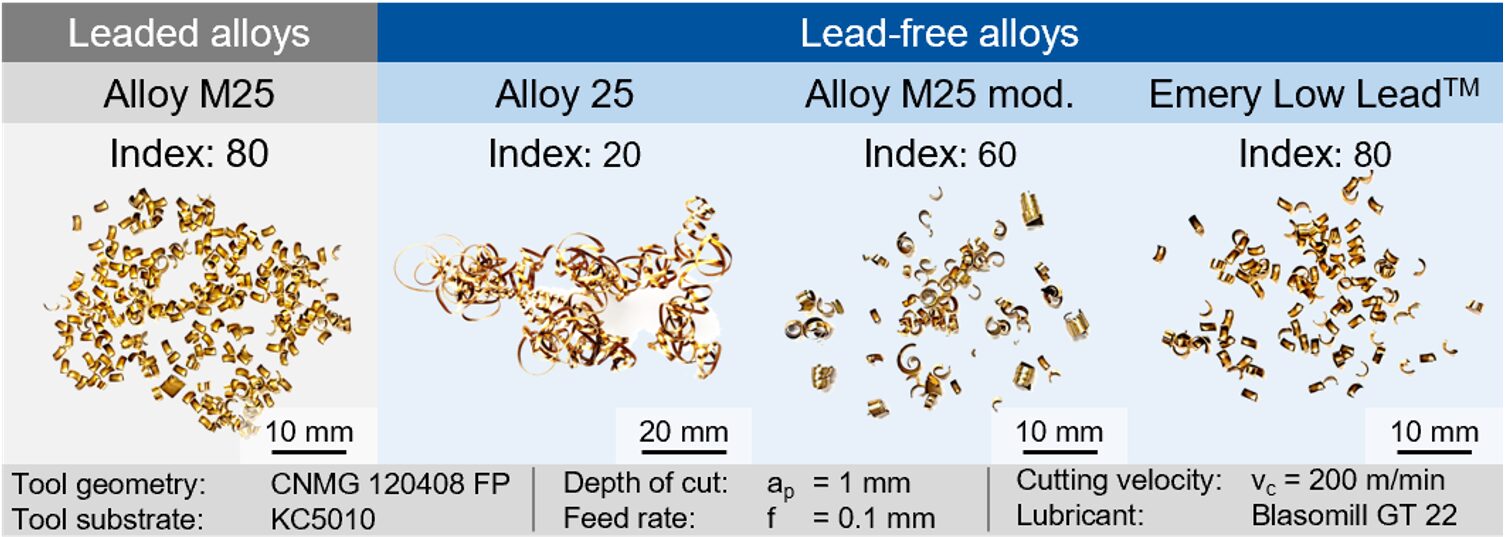
Figure 3. Chip shape evaluation (Image: MTI RWTH Aachen University)
In contrast to this, the lead-free Alloy 25 had insufficient chip fracture due to the lack of lead, which led to the formation of long, tangled chips during turning and thus ruled out automated production. Alloy M25 mod. shows improvement in chip breakage, which can be attributed to the slightly higher lead content. Even more favorable chip shapes were observed with the Emery Low Lead alloy, which revealed very small chip locks and thus showed a similar suitability for automated manufacturing processes as the lead-containing reference alloy. This improvement is due to the adjustment of the chemical composition and optimization of the processing route of the material. Overall, the lead-containing Alloy M25 and the lead-reduced Emery Low Lead alloy achieved the best ratings with a chip form index of 80, which puts the new low-lead alloy on a par with the lead-alloyed reference for the selected process conditions. The Alloy M25 mod. followed with slightly longer chips, achieving a chip form index of 60. The lead-free Alloy 25 performed worst with a chip form index of 20.
Figure 4 shows the resulting machinability indices of the material variants examined based on an equally weighted evaluation of the four criteria: chip shape, tool wear, surface quality and cutting force. The illustration shows that both the lead-containing reference Alloy M25 and the newly developed Emery Low Lead alloy achieve the highest overall ratings and thus have the best machinability. While Emery Low Lead material has slightly higher tool wear than Alloy M25, it compensates with a better surface finish, resulting in a comparable and even slightly higher machinability level.
The results led to the selection of the Emery Low Lead alloy for production. The additional tests at selected customers on series equipment generally showed very good results comparable with the benchmark Alloy M25. Two corresponding responses are summarized in Figure 5.
Summary:
Testing shows that a targeted material-side optimization of the alloying concept, the manufacturing process and finding the right lead substitution result in exemption-free RoHS compliant alloying systems that are competitive with established lead-containing alloys in terms of machinability while maintaining similar application properties. Based on the available laboratory tests, the new lead-reduced Emery Low Lead alloy was tested in various industrial fields of application and manufacturing processes. The aim was to gain additional process-specific insights under real production conditions and to evaluate the transferability of the results determined in the laboratory tests. The extensive industrial testing helped to identify potentially necessary process adjustments at an early stage and to ensure the usability of lead-reduced materials in applications with high-strength copper alloys. In this way, a reliable basis could be created for a future industrial conversion to lead-reduced and lead-free solutions.
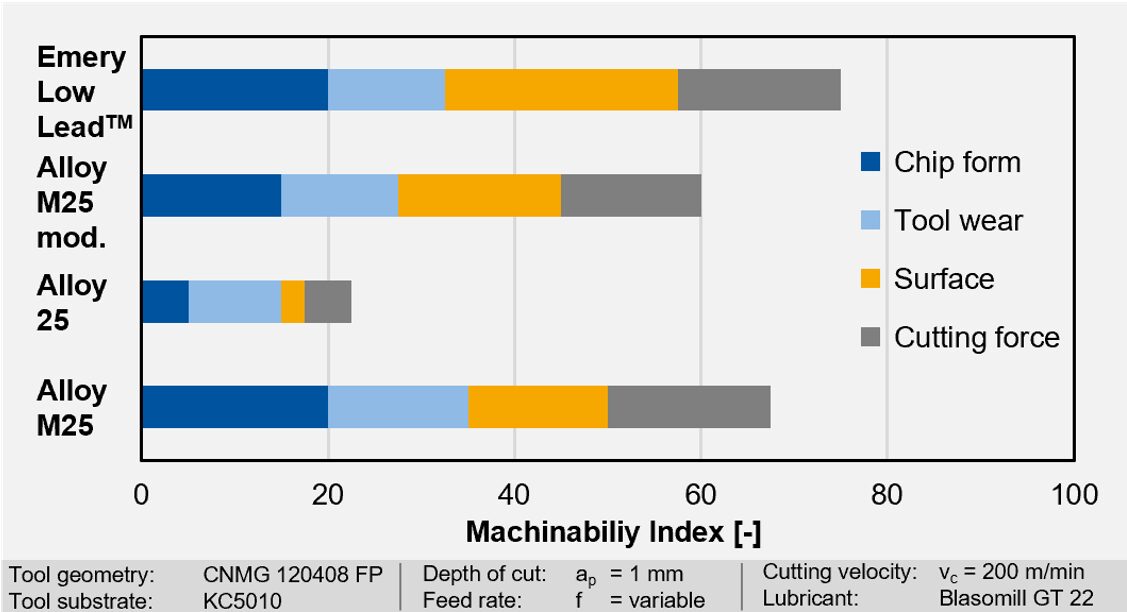
Figure 4: Holistic evaluation of machinability and derivation of machinability indices (Image: MTI RWTH Aachen University)
Customer Feedback
“Testing of Emery Low Lead at our facility demonstrated that its machinability, chip formation, and surface finish are comparable to those of Alloy M25. This material provides the machining industry with a RoHS-compliant alternative while preserving the key performance characteristics that have made Alloy M25 the preferred machinable alloy.” —ACCUMATION SWISS, USA
“Emery Low Lead demonstrated producibility comparable to Alloy M25 while maintaining the performance required for advanced RF connectivity products. The alloy enables the manufacture of fully RoHS-compliant high-technology components and represents a promising solution for future lead-free applications.” —HUBER+SUHNER, SWITZERLAND
“The machining tests carried out at DTS show that Emery Low Lead [alloy] is a reliable alternative to conventional lead-containing materials. With our standard chip breakers, we have been able to achieve chip breaking behavior that is comparable to that of conventional materials. At the same time, high process reliability and good surface quality are guaranteed.” —DIAMOND TOOLING SYSTEMS (DTS), GERMANY
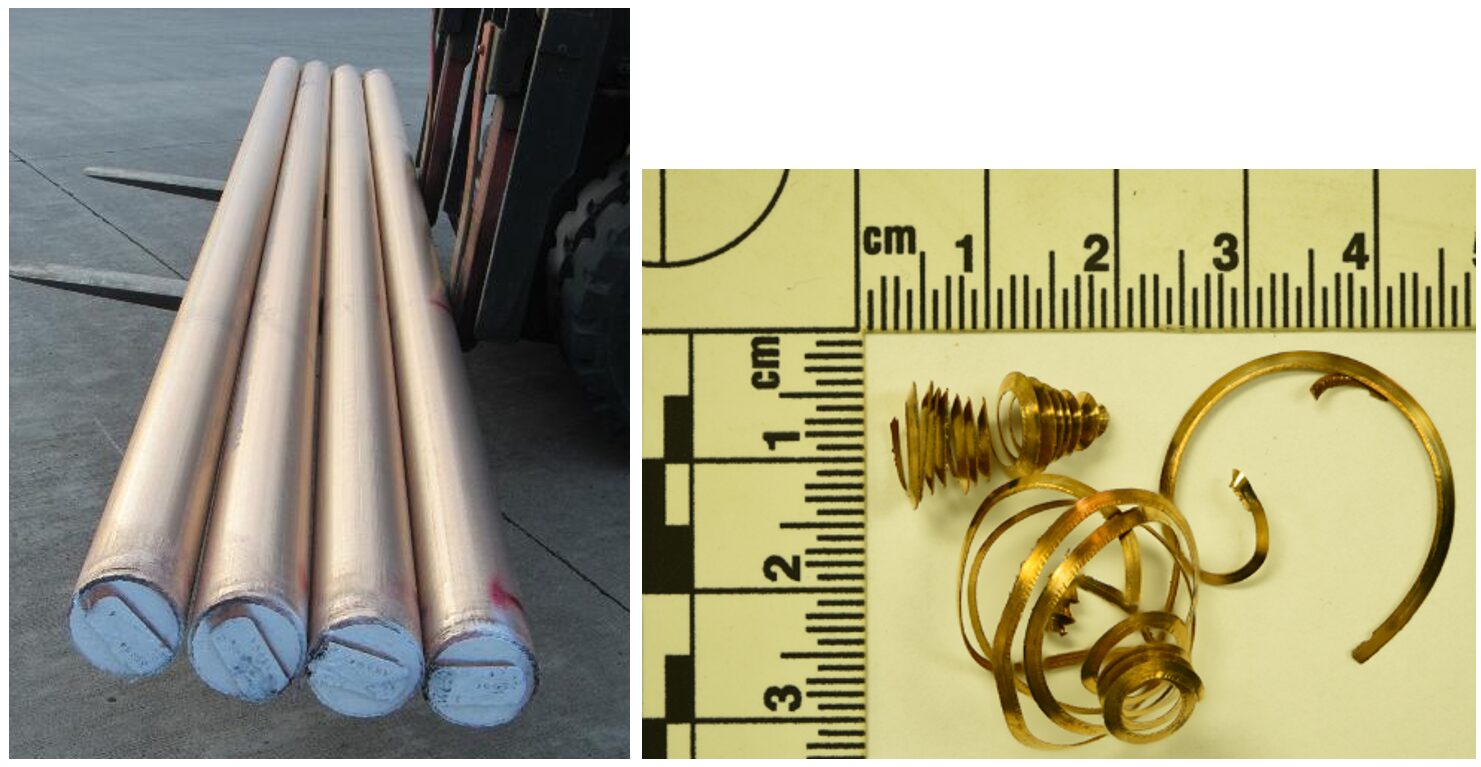
Left: Produced sample rods (Image: Materion)
Right: Chip shape examples (Image: Accumation)
Visit Materion to learn more about innovative materials for the electronics industry.
Like this article? Check out our other articles on our Wire and Cable Assemblies Market Page, and our 2026 Article Archive.
Subscribe to our weekly e-newsletters, follow us on LinkedIn, Twitter, and Facebook, and check out our eBook archives for more applicable, expert-informed connectivity content.

- CASE STUDY: Development of a RoHS-Compliant Ultra-High-Strength Copper-Based Alloy - October 27, 2026
- The Challenges of Electric Flight: How Engineers Are Rethinking Power - October 20, 2026
- Printing at the Edge of Possibility: How TE Connectivity Leverages Micro-3D Printing - October 13, 2026