Featured Articles
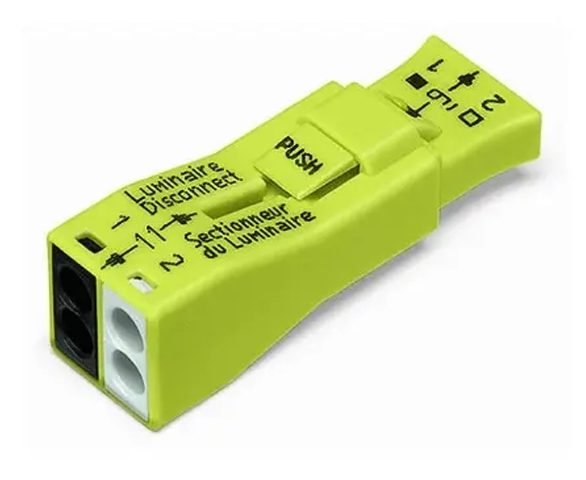
  • What is a Ballast Connector?

    A ballast connector is used to link a fluorescent or igh-intensity discharge (HID) lamp to its ballast — the device that regulates current and voltage to the bulb. In carrying the controlled electrical current from the ballast to the lamp, the ballast connector ensures stable power delivery. The increase in LED use is driving downRead More

  • What is an Adhesive Mount Antenna?

    An adhesive mount antenna is a low-profile external antenna that is attached to a surface using a pressure-sensitive adhesive backing, typically a foam tape. Available in single-band and multiband configurations covering cellular (2G through 5G), GNSS, Wi-Fi, Bluetooth, and combinations, adhesive mount antennas are commonly used for vehicle telematics, fleet tracking, IoT gateways, and assetRead More

Learning Tools

What is a Ballast Connector?

A ballast connector is used to link a fluorescent or igh-intensity discharge (HID) lamp to its ballast — the device that regulates current and voltage to the bulb. In carrying the controlled electrical current from the ballast to the lamp, the ballast connector ensures stable power delivery. The increase in LED use is driving downRead More
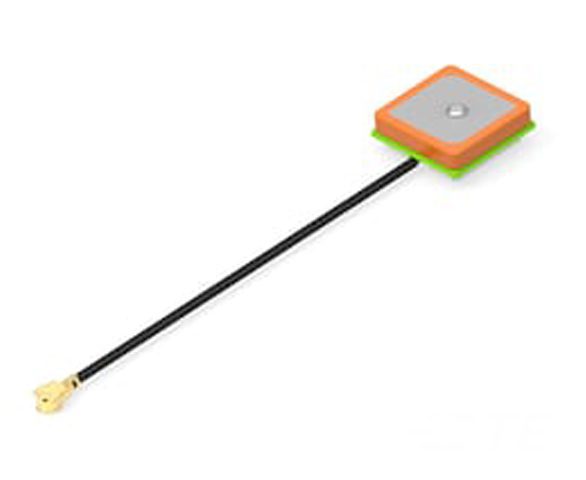
What is an Adhesive Mount Antenna?

An adhesive mount antenna is a low-profile external antenna that is attached to a surface using a pressure-sensitive adhesive backing, typically a foam tape. Available in single-band and multiband configurations covering cellular (2G through 5G), GNSS, Wi-Fi, Bluetooth, and combinations, adhesive mount antennas are commonly used for vehicle telematics, fleet tracking, IoT gateways, and assetRead More

What is a Connector Gasket?

In harsh environment conditions, connector gaskets provide protection against a variety of hazards that can put connections at risk. Connector gaskets are sealing components installed between connector mating or mounting surfaces to provide environmental protection, electromagnetic shielding, or both. They compensate for surface irregularities and maintain sealing integrity under mechanical stress, vibration, thermal cycling, andRead More

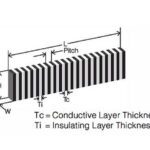
What is an Elastomeric Connector?

Elastomeric connectors are used wherever a solder-free, zero-insertion-force interface is needed between a PCB and a flat or fragile substrate.  Elastomeric Connectors (also known as ZEBRA connectors) feature alternating, parallel layers of electrically conductive and non-conductive silicone elastomer. The elastomeric connector was invented by Joseph Asscher in the early 1970s by Elastomeric Technologies Inc. (ETI)Read More

What is an IEC 61076-2-117 Connector?

The IEC 61076-2-117 standard specifying shielded M12-M40 single cable, hybrid (combined signal, power, and data) connectors for industrial applications addresses the demand for faster and more reliable connections. The IEC 61076-2-117 standard addresses the demand for faster and more reliable connections in industrial environments, specifying shielded M12-M40 single cable, hybrid (combined signal, power, and data)Read More

Derating Curves for Connectors

The current carrying capacity of a connector is not a fixed absolute value; it is always the result of a thermal consideration. Since insulating materials, contact springs, and plating systems are specified only up to a certain temperature limit, the permissible current must be reduced as the ambient temperature increases. This relationship is exactly whatRead More

What is an Ultra-High-Density Connector?

Ultra-high-density (UHD) connectors are specialized, compact interconnects designed to pack a maximum number of signal or power contacts into a minimal footprint, typically to save space without compromising performance. They feature a low profile, a high pin count, fine pitch, and, often, enhanced EMI shielding. These connectors are crucial for reducing PCB size and supportingRead More

What are Conductive Ink Circuits?

Conductive ink circuits (CIC) are electrical circuits formed by depositing conductive silver, carbon, or graphene inks onto flexible or rigid substrates such as polymer films, paper, or textiles. These circuits are a lightweight, low-profile, and cost-effective alternative to traditional etched copper printed circuit boards (PCBs) and they make a new generation of flexible electronics possible.Read More

What are Crimp Terminals?

Crimp terminals, a solderless connection option, enable the rapid, consistent, and reliable connections that are essential for mass production and high-vibration environments. A crimp terminal is a solderless electrical connector for terminating stranded wire used to join wires and components. The crimp terminal has a metal barrel that, with the use of a crimping tool, getsRead More

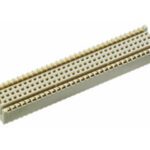
What are VME64x Connectors?

Meet the Connector: VME64x Connectors VME64x is a standard for VMEbus ruggedized, high-performance embedded systems in defense, aerospace, industrial control, and medical imaging. A superset to the VME64 standard, VME64x (VME64 Extensions) was adopted by the VITA Standards Organization in 1997. VME64x added many new capabilities, including: a new 160 pin connector family a 95Read More

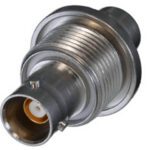
What are Triax Connectors?

Meet the Connector: Triax Connectors By adding a third conductor, these high-performance RF connectors work with triaxial cable to increase signal integrity and reduce noise in high-precision applications in busy environments that call for increased shielding. A triax connector (also called a triaxial connector) is a specialized coaxial connector that adds a third conductor — essentially aRead More

What are LVDS Connectors?

Meet the Connector: LVDS Connectors LVDS (low-voltage differential signaling) connectors are high-speed, low-power connectors for transmitting data with minimal electromagnetic interference (EMI). Introduced in 1994, LVDS connectors are designed for high-frequency signals, commonly reaching gigahertz speeds for display data. Key features are high-speed transmission, low power consumption, strong noise immunity, and compact design. Differential signalingRead More

2026 World Connector Market Handbook 2025-2031F
x