Featured Articles
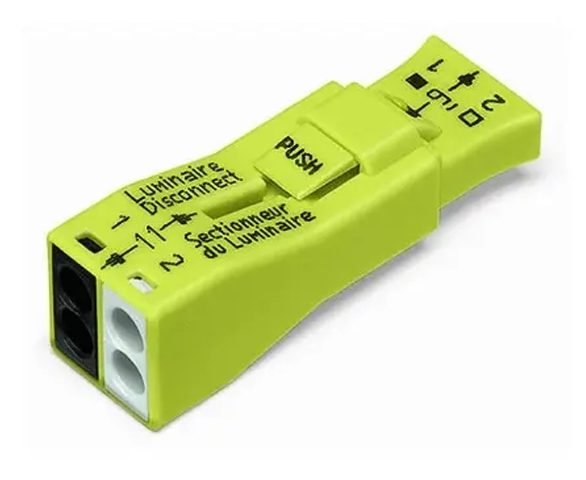
  • What is a Ballast Connector?

    A ballast connector is used to link a fluorescent or igh-intensity discharge (HID) lamp to its ballast — the device that regulates current and voltage to the bulb. In carrying the controlled electrical current from the ballast to the lamp, the ballast connector ensures stable power delivery. The increase in LED use is driving downRead More

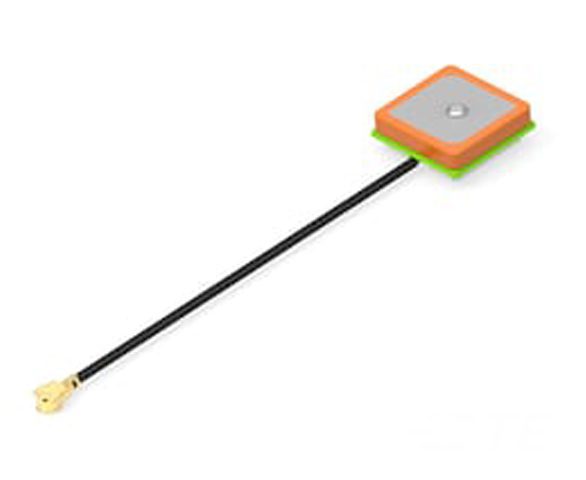
  • What is an Adhesive Mount Antenna?

    An adhesive mount antenna is a low-profile external antenna that is attached to a surface using a pressure-sensitive adhesive backing, typically a foam tape. Available in single-band and multiband configurations covering cellular (2G through 5G), GNSS, Wi-Fi, Bluetooth, and combinations, adhesive mount antennas are commonly used for vehicle telematics, fleet tracking, IoT gateways, and assetRead More

Learning Tools

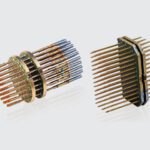
What are EMI/EMP Connectors?

Meet the Connector: EMI/EMP Connectors EMI/EMP connectors, also called filter connectors, help protect electric and electronic systems from emitting or receiving disruptive “noise,” including radio frequency interference (RFI), electromagnetic interference (EMI), electromagnetic pulses (EMP), voltage spikes, and other radiated emissions that can distort or interrupt a signal. EMI, EMP, and RFI commonly occur in environmentsRead More


Twinax Cable is Replacing PCBs Inside Server and Switch Applications

To reduce heat and improve speeds, twinax cable assemblies are replacing PCBs in next-generation datacom equipment. The links inside a switch that connect the quad small form factor pluggables (QSFPs) at the faceplate to application-specific integrated circuits (ASICs) at the heart of the box have become signal superhighways. The capacity and the number of  I/ORead More

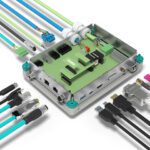
Ethernet Solutions for Automation Environments

High-speed, compact, and powerful new connectivity solutions for Industrial Ethernet-based networks make it easy to upgrade existing cabling. The concept behind Industry 4.0 and the Industrial Internet of Things (IIoT) touches all industries. From process control and automotive assembly to robotics and the food and beverage industry, data collection empowers smart factories, suppliers, and customersRead More

What is an LC Connector?

Meet the Connector: LC Connectors LC connectors are small form factor fiber optic connectors designed for making fast connections in high-density applications. They are a miniaturized version of the earlier SC fiber connector (50% smaller) and feature a square plastic housing with a 1.25 mm ceramic ferrule. Like the SC, LCs utilize a push-pull design,Read More

What are MIL-DTL-28840 Connectors?

Meet the Connector: MIL-DTL-28840 Connectors MIL-DTL-28840 connectors are high-density circular connectors used for harsh environment military applications. Originally developed for the Navy, they are used in shipboard applications for surface craft of all sizes as well as submarines and unmanned underwater vehicles. They are water-resistant, corrosion-resistant, and can endure water pressure while maintaining a secureRead More

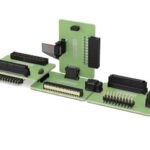
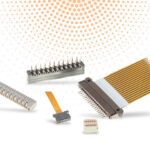
What are Board-to-Board Connectors?

Meet the Connector: Board-to-Board Connectors Board-to-board (BTB) connectors are used to transmit signals between printed circuit boards (PCBs). They are made by many connector manufacturers and come in a variety of styles and materials. BTB connectors are among the commonly used connector types. Their evolution has been influenced by their use in an ever-growing numberRead More

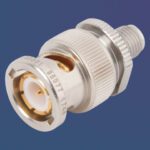
What are BNC Connectors?

Meet the Connector: BNC Connectors BNC connectors are miniature radio frequency (RF) connectors developed for low-frequency applications. This quick-connect/disconnect circular connector features a two-stud bayonet-style locking mechanism that users twist and snap into position. A tactile snap indicates a secure connection; a reverse motion disconnects the connector pair. The BNC connector famously bears the initialsRead More

Connect, Network, Evolve: The Intersection Between Reliability and High-Speed Industrial Communications

Real-time communication in industrial processes allows for process optimization and reduction in downtime. It requires reliable connector and cabling solutions that meet the demands of industrial environments while enabling high-speed data transmission and supporting various industrial communications protocols.   The evolution of industrial communications has increased the need for intelligence built into field devices, so theseRead More

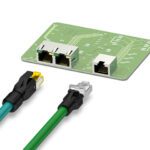
What are Industrial RJ45 Connectors?  

Meet the Connector: Industrial RJ45 Connectors Industrial RJ45 connectors are essentially an RJ45 Ethernet connector in a protective housing. The standard RJ45 is the most common twisted-pair connector. It is an 8-position, 8-contact (8P8C) modular plug and jack. RJ, or registered jack, is a standardized telecommunication network interface designed to connect telecommunications and data equipmentRead More

FFC Vs. FPC Connectors: Which is Right For You?

Meet the Connector: FFC/FPC Connectors FFC connectors are used to mate ribbon-type flat flexible cables (FFCs) to PCB circuitry in cable-to-board applications. They are also available in cable-to-cable configurations. These connectors have a high-density, very narrow form factor and fit in tight spaces. They are commonly used in consumer applications such as laptops, cameras, computerRead More

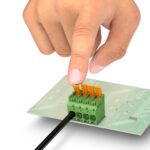
What are Wire-to-Board Connectors?

Meet the Connector: Wire-to-Board Connectors Wire-to-board connectors bring power and signal to a printed circuit board (PCB) by connecting a group of discrete wires to the board. There are no standard wire-to-board connectors; the various types are specific to the manufacturers who produce them. Wire-to-board connectors can be specified based on several features. These includeRead More

What are Coaxial Connectors and How do They Work?

Meet the Connector: Coaxial  Connectors (Note: This article focuses on cable-to-cable and cable-to-panel applications.)  A coaxial connector has an inner conductor that is enveloped by a concentric conducting sleeve, with the conductor and shield separated by an insulating material; hence the term “coax” or “coaxial” connector. (Not all RF [radio frequency] connectors are coax, butRead More

2026 World Connector Market Handbook 2025-2031F
x