
Featured Articles
  • What is a Ballast Connector?

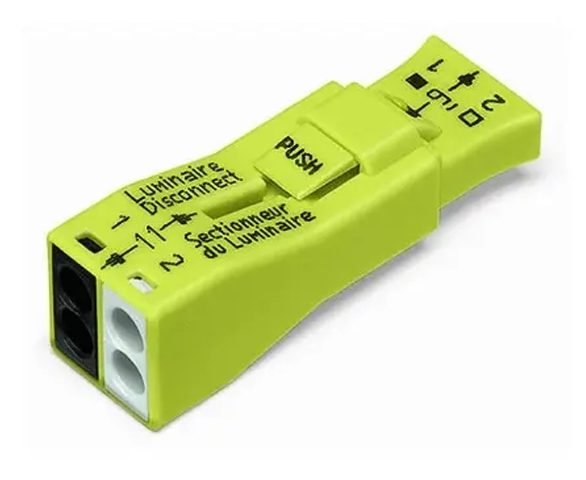
    A ballast connector is used to link a fluorescent or igh-intensity discharge (HID) lamp to its ballast — the device that regulates current and voltage to the bulb. In carrying the controlled electrical current from the ballast to the lamp, the ballast connector ensures stable power delivery. The increase in LED use is driving downRead More

  • What is an Adhesive Mount Antenna?

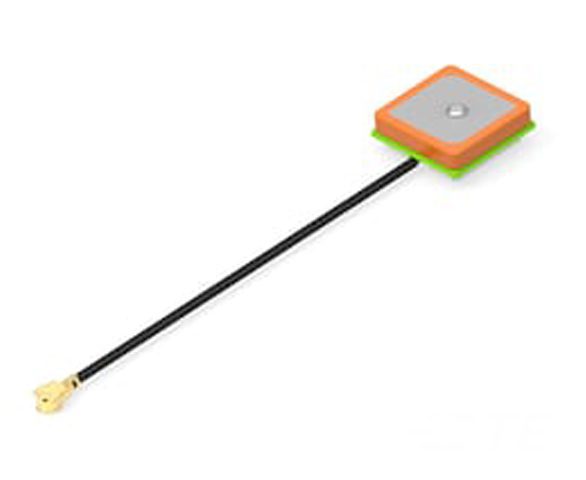
    An adhesive mount antenna is a low-profile external antenna that is attached to a surface using a pressure-sensitive adhesive backing, typically a foam tape. Available in single-band and multiband configurations covering cellular (2G through 5G), GNSS, Wi-Fi, Bluetooth, and combinations, adhesive mount antennas are commonly used for vehicle telematics, fleet tracking, IoT gateways, and assetRead More

Learning Tools

Does Today’s Connector Industry Lack Experts?

Erosion in the Connector Industry Talent Base The connector industry has experienced significant erosion of its talent base in recent decades. Because this has occurred bit by bit over a long period of time, it’s not immediately apparent how significantly the industry has been changed by the loss of knowledge and experience these people represent.Read More
Evolving Levels of Interconnection

Our first in a series of articles about Evolving Levels of Interconnection As this is the first in a planned series of articles by APEX Electrical Interconnection Consultants LLC, we thought it would be best to begin with the “Levels of Interconnection” (LOI), which is about as fundamental as it gets. It must be rememberedRead More

Connector Basics: Evolving Levels of Interconnection

As this is the first in a planned series of articles by APEX Electrical Interconnection Consultants LLC, we thought it would be best to begin with the “Levels of Interconnection” (LOI), which is about as fundamental as it gets. It must be remembered that at every interconnection point, at every level, there is a potentialRead More

Back to Connector Basics: A Q&A with APEX

December 2013 – In 2014, the engineers and scientists of APEX Electrical Connector Consultants LLC will treat our readers to a series of articles on connector basics. We thought it would be fun to kick off the feature in this issue with a Q&A led by Bishop’s John MacWilliams.


Avnet Offers New Reference Designs and Tutorials for 7″ Zed Touch Display Kit

Avnet Offers New Reference Designs and Tutorials for 7″ Zed Touch Display Kit Developing an interactive GUI or touchscreen application? Avnet Electronics Marketing announced new reference designs, tutorials, and training videos for the 7″ Zed Touch Display Kit. The designs are supported on either the MicroZed or Zedboard kits. To facilitate designs using the 7″Read More

Tips for Probe Maintenance

October 2013 – Test probes used in production testing will eventually get dirty enough to cause contact problems. QA Technology offers steps that eliminate contact problems caused by dirty probes.

Choosing the Right RF Cable Assembly

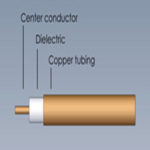
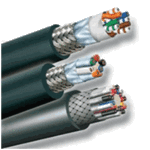
October 2013 – Because coaxial cable assemblies are so vital to such a wide range of systems, from rugged ground-based electronic systems to satellites orbiting in space, the selection process for those cables should not be treated lightly. Choosing the right coaxial cable assembly is easier when you know what to look for in a high-frequency or high-speed coaxial cable assembly.

Crimp Force Monitoring – The Recipe for Success

October 2013 – CFMs have a multitude of benefits, so why aren’t employees using them? One of the biggest problems is the lack of understanding of the variables affecting the CFM’s ability to detect variations. Crimp quality detection is similar to baking a cake: There are a lot of ingredients and if one ingredient is missing or bad quality, you likely won’t achieve your desired result.

Vibration: The Good, the Bad, and the Ugly

October 2013 – In a follow-up to Dr. Bob’s article on connector wear in the last issue, his colleague Max Peel discusses the challenges of vibration in both connector and end-system designs. In the case of vibration testing, EIA requirements generally include a visual for structural integrity and monitoring for a 1.0 microsecond interruption. Occasionally low-level contact resistance or contact resistance at rated current measurements are included. This is the area for review, and change is necessary but somewhat complex.

Dr. Bob on Connector Wear Mechanisms

September 2013 – Wear issues are best addressed in the design and manufacture of the connector system. Dr. Bob explains what causes wear in a connector and how the science behind the process works, then makes recommendations to help protect against connector wear in your next design.

High-Flex Versus High-Flex-Life Cable

September 2013 – Once you’ve established that high-flex-life cable is appropriate for your application, you face the dilemma of choosing a supplier. Is high-flex-life cable a commodity, or does it really matter which supplier you choose?

2026 World Connector Market Handbook 2025-2031F
x