
Featured Articles
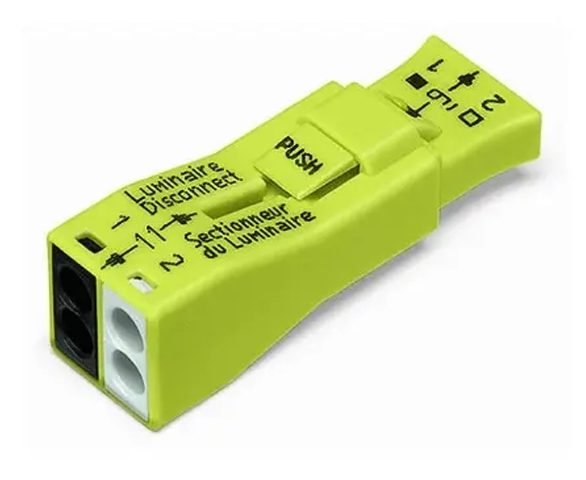
  • What is a Ballast Connector?

    A ballast connector is used to link a fluorescent or igh-intensity discharge (HID) lamp to its ballast — the device that regulates current and voltage to the bulb. In carrying the controlled electrical current from the ballast to the lamp, the ballast connector ensures stable power delivery. The increase in LED use is driving downRead More

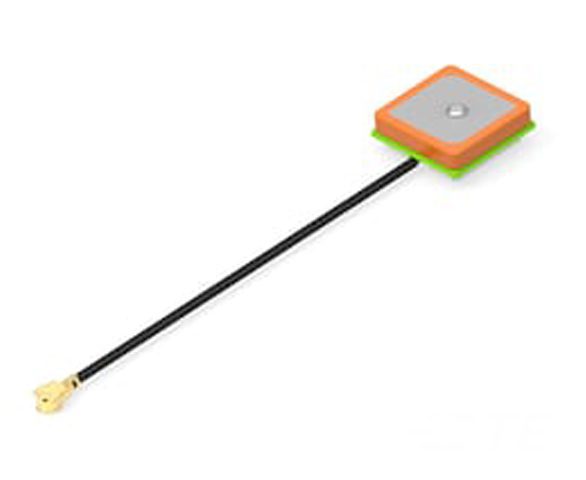
  • What is an Adhesive Mount Antenna?

    An adhesive mount antenna is a low-profile external antenna that is attached to a surface using a pressure-sensitive adhesive backing, typically a foam tape. Available in single-band and multiband configurations covering cellular (2G through 5G), GNSS, Wi-Fi, Bluetooth, and combinations, adhesive mount antennas are commonly used for vehicle telematics, fleet tracking, IoT gateways, and assetRead More

Learning Tools

Why Minor Increases in Contact Resistance Matter

Connector designers understand that many variables impact contact area and how adequately the contacts do their job. This next article in the “Connector Basics” series explains why even minor increases in contact resistance matter. When a contact is mated, only a relatively small area is actually touching. All of the current must flow through this smallRead More


How to Specify Single-Mode and Multimode FO Connectors

As fiber optic technology continues to expand and evolve at an increasingly rapid rate, we asked the Fiber Optic Association to provide our readers with a simple guide on how to specify single-mode and multimode FO connectors. Visit the Fiber Optic Association online for more valuable information about specifying these connectors, as well as forRead More

Connector Challenges for High-Speed Serial Link Applications

As data rates increase, the bandwidth of signals increases and its rise time decreases. ALL signal integrity problems get worse with higher signal bandwidth and shorter rise time. Here, Dr. Eric Bogatin examines the connector challenges for high-speed serial link applications. Thanks in part to Netflix and YouTube, which together comprise as much as 50% ofRead More

Typical Connector Failure Modes and Mechanisms

The “Connector Basics” series from APEX Electrical Interconnection Consultants continues with an introductory look at typical connector failure modes and mechanisms. When we discuss connector failure, we need to refine the concept into two distinct components – failure modes and failure mechanisms. How do we define “failure”? Webster’s New World Dictionary lists a variety of terms, but for ourRead More

What Do Connectors Really Cost?

Connectors are frequently selected based on purchase price without fully considering the costs linked with using them. What do connectors really cost? This article is contributed by APEX Electrical Interconnection Consultants. For more of its “Connector Basics” series, click here. Have you ever purchased the lowest-priced item, only to find out that the cost toRead More

Five Things to Know About Semi-Rigid Cable Assemblies

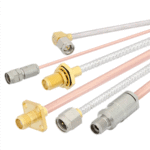
Steve Ellis of Pasternack shares five things to know about semi-rigid cable assemblies. In its most basic form, a semi-rigid cable assembly is a coaxial transmission line consisting of a metal tube, typically made from copper, which forms the outer conductor with a metal wire conductor running down the center of the tube. The centerRead More

Who Owns Connector Selection Responsibility?

When an end product fails due to a faulty connector, the team that takes the blame may not be the group that was ultimately responsible for the final purchasing choice. In the end, who owns connector selection responsibility? Many times, when a field problem is tied to specific connector, the question asked is, “Who selectedRead More

Connector Contact Lubricants

Connector contact lubricants can reduce mating forces and contact wear, and there are lubricants to do just that. But the real goal is to get more than just friction/wear reduction from a lubricant. For many of us the first thing that comes to mind when the word “lubricant” comes up is “slippery stuff,” motor oil,Read More

How to Select a Connector Supplier

Wondering how to select a connector supplier? The selection method must ensure the supplier can meet all established performance, cost, lead-time, and service requirements. Once several manufacturers’ connectors have been evaluated for a specific application, it is likely that the ultimate selection will be made from at least three or four manufacturers (and maybe moreRead More

How to Specify and Select a Connector

The “Connector Basics” series from APEX Electrical Interconnection Consultants continues with a tutorial on how to specify and select a connector for a particular application. Generally speaking, electrical connectors are mechanical components that serve an electrical function. In addition to carrying electrical current at a specified voltage, connectors either enable interconnection of components during theRead More

Inter-Vehicle Jumper Systems for Rail Transport

Today’s inter-vehicle jumper systems must withstand a diverse array of electrical, mechanical, and climatic conditions. Today’s inter-vehicle jumper systems must be capable of withstanding a diverse array of conditions, so the system’s design must consider the flow of current and the resulting heating, vibration, bending, and torsion, as well as ambient temperature, ballast strikes, weathering,Read More

A Quick Coil Cord Primer

This quick coil cord primer explains when to use coil cords and what to look for when you’re choosing products for your applications. Durability, low force-to-extend, excellent retractile memory, and high flex life are all important customer requirements for coil cords. From 12 AWG to very-fine-wire 38 AWG and tinsel, coiled cords are manufactured in single-Read More

2026 World Connector Market Handbook 2025-2031F
x