Featured Articles
  • What is a Ballast Connector?

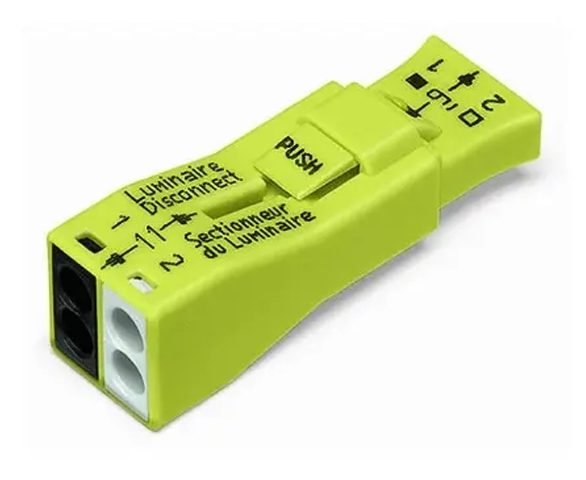
    A ballast connector is used to link a fluorescent or igh-intensity discharge (HID) lamp to its ballast — the device that regulates current and voltage to the bulb. In carrying the controlled electrical current from the ballast to the lamp, the ballast connector ensures stable power delivery. The increase in LED use is driving downRead More

  • What is an Adhesive Mount Antenna?

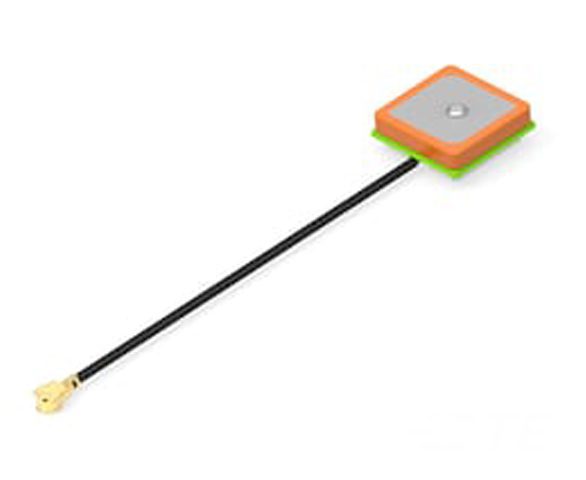
    An adhesive mount antenna is a low-profile external antenna that is attached to a surface using a pressure-sensitive adhesive backing, typically a foam tape. Available in single-band and multiband configurations covering cellular (2G through 5G), GNSS, Wi-Fi, Bluetooth, and combinations, adhesive mount antennas are commonly used for vehicle telematics, fleet tracking, IoT gateways, and assetRead More

Learning Tools

How to Specify Nanominiature Connectors

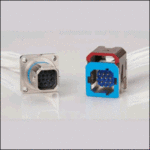
Nanominiature connectors provide an ideal solution for challenging wiring systems in the constantly evolving aerospace industry. Here, Radiall offers tips on how to specify the connectors for these applications.     To address the challenges airframers experience in the civil and military aerospace industry, a new format for multipin connectors was introduced. The nanominiature connectorRead More


CCSI: Connector Crime Scene Investigation

Next up in our “Connector Basics” series, APEX Electrical Interconnection Consultants offers advice on when and why you need someone with failure analysis expertise.     Something is not working out in the connector manufacturing process or, worse yet, a connector fails in the field – in either case, the failure should land on theRead More

Connector Design Checklist

A good connector design requires attention to the separable interface front end, the permanent interface back end, and the contact retention area. Bill Garver of APEX Electrical Interconnection Consultants provides a checklist of these design considerations.     There are fundamentally three specific elements of an electrical contact that are used within a multiple-position connector.Read More

Five Things to Know About Cable Assembly Design

In addition to specifying components for a cable assembly, you need the design and production process to promote overall system integrity and be cost-effective.     You probably know the primary benefit of a cable assembly – the ease of connecting and disconnecting systems or equipment either for mobility or expeditious repair and replacement. ButRead More

Downhole and Subsea Applications Require Unique Connectors

The main markets for subsea and high-pressure connectors require unique designs that mate when submerged, plus fiber optics and hermetic assemblies. When designers think about exotic applications, they might think about deep space. However, these are gentle applications compared to the severe environmental requirements for connectors used in downhole and subsea projects, where temperatures can exceed +250°CRead More

Materials Ensure Connector Reliability in Harsh Environments

Connectors in the oil and gas industry must withstand high pressure, high temperature, and corrosive environments subject to heavy vibration and occasional shock loading. Materials are the key to ensure connector reliability in harsh environments.   The oil and gas industry demands high reliability in drilling and completion equipment, including electrical connectors used downhole. ConnectorsRead More

How to Specify Connectors for Downhole Applications

Demanding requirements for downhole applications start with high pressure and high temperature and go on to encompass many other factors. Here, AMETEK reviews the main considerations for choosing a connector for these harsh applications.   There are few environments that test the extreme functionality of a harsh environment connector more than those found deep down in anRead More

Termination Speed Impacts the Bottom Line

If a network cabling contractor can do a job faster than his competitor, he can bid lower, win the job, and still turn a decent profit. In an excerpt from a recent white paper, Siemon explains how termination speed impacts the bottom line.   As a network cabling contractor, you need to keep an eye onRead More

Improve Cable Reliability with Milliohm Resistance Measurement

Milliohm-sensitive four-wire measurement helps to locate bad solder joints, faulty crimps, recessed pins, pin contact contamination, improper wire gauge, and stress-extruded wire.   Four-wire Kelvin measurement makes it possible to accurately measure resistance values less than 0.1Ω while eliminating the inherent resistance of the lead wires connecting the measurement instrument to the component being measured.Read More

Look Beyond Cost to Design Cable Systems

The environment and specific application requirements weigh heavily in determining a cable system’s true cost.   Designing a cabling system requires an understanding of the various costs inherent to the application type, which include labor, environment, and network configuration. “Specifiers need to fully understand their particular application and purpose for the cabling before choosing theRead More

How to Specify High-Transmission I/O Connectors

Today’s requirements for input/output connectors demand smaller size and faster data transmission. Hirose advises designers on how to specify high-transmission I/O connectors by looking at a multitude of requirements and trade-offs.   An I/O connector is an interconnect that joins a circuit from inside to the outside of electronic equipment. I/O interconnects are used to connect data,Read More

How to Specify Optical Modules

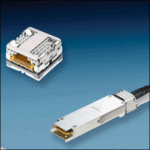
Optical modules are key components in networking equipment, and specifying the right modules can heavily influence overall system performance. Here, Erin Byrne of TE offers tips on key considerations. Optical modules are key components in networking equipment, and specifying the right modules can heavily influence overall system performance. There are several issues to consider whenRead More

2026 World Connector Market Handbook 2025-2031F
x