
Featured Articles
  • What is a Ballast Connector?

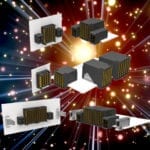
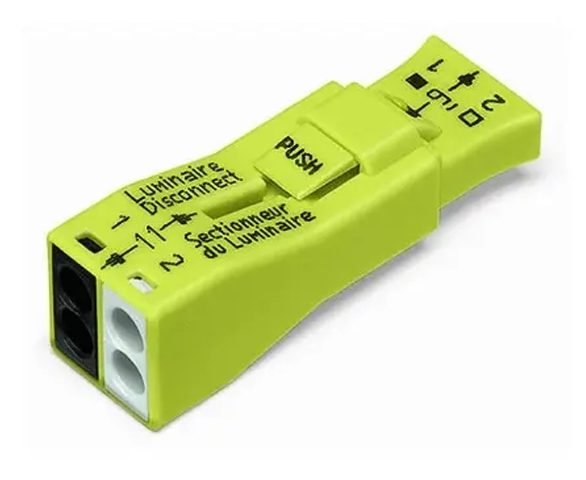
    A ballast connector is used to link a fluorescent or igh-intensity discharge (HID) lamp to its ballast — the device that regulates current and voltage to the bulb. In carrying the controlled electrical current from the ballast to the lamp, the ballast connector ensures stable power delivery. The increase in LED use is driving downRead More

  • What is an Adhesive Mount Antenna?

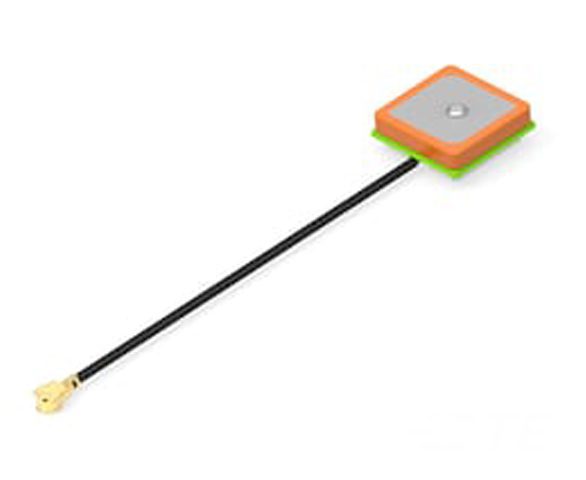
    An adhesive mount antenna is a low-profile external antenna that is attached to a surface using a pressure-sensitive adhesive backing, typically a foam tape. Available in single-band and multiband configurations covering cellular (2G through 5G), GNSS, Wi-Fi, Bluetooth, and combinations, adhesive mount antennas are commonly used for vehicle telematics, fleet tracking, IoT gateways, and assetRead More

Learning Tools

Five Things to Consider When Specifying Metal Contact Materials

Contact materials can make a critical difference in the integrity, reliability, and durability of connectors. But not every application requires the highest-quality option. By Steve Smashey, President, and Mike Conte, General Manager, SOS Engineering, Inc. contact materials Small details in the quality and construction of interconnects can make a big difference in a system’s performanceRead More


Connected Solutions Drive Change in the Oil and Gas Industry

Digitization is transforming the oil and gas industry. Starting with the equipment used in oil exploration and drilling and extending to automation, remote monitoring, data security, and logistics, connected systems play a key role. The oil and gas industry is in the spotlight, as petroleum and shale oil producers fight for dominance in a marketplaceRead More

2020 Harsh-Environment Connectivity eBook

Our new 2020 Harsh-Environment Connectivity eBook features 16 technical, tutorial articles by leading interconnect authorities that address new challenges for electronics exposed to extreme environments, new connectivity technologies developed to surmount them, and best practices for connector specification and design-in. It also features a collection of 60 ruggedized connector products from 38 suppliers with provenRead More

Wire Connections Then and Now

Electrical splicing connections have constantly changed over the last 130 years as engineers and manufacturers innovate to ensure safe, secure, and reliable wire and cable connections. In the early days of wiring, single-sheathed copper wires ran within the walls or ceilings of homes and buildings and were supported by a porcelain knob insulator or flexibleRead More

Fiber Optics Move into Military Backplanes

The recent Embedded Tech Trends conference highlighted a trend: Boards and subsystems for military applications are increasingly employing optical cable. Fiber optic technology is continuing its push into high-end military systems as engineers increasingly choose it to meet accelerating speed demands. This marks a change from its traditional role as a technology for long-distance communications.Read More

Shielded, Twisted-Pair Cable Assemblies Provide Critical Support for the Secure Networking of Classified Data

Fiber optic, shielded copper, and foil-shielded, unshielded-twisted-pair (UTP) cables are among the hardware solutions implemented to meet stringent data security networking protocols. Critical computer networks dedicated to the storage and transmission of sensitive government, military, and national security data safeguard such information with robust security parameters and processes including firewalls, passwords, biometrics, and access cards.Read More

Three Key Considerations When Selecting EMI/RFI Shielding Solutions for Aerospace and Defense Applications

Proper shielding is necessary to protect mission-critical systems and components from interference in increasingly busy electronics environments.  By Lesa Smith, Marketing Communications Manager, and Neil Mahaffy, Senior Product Engineer, ITT Cannon  EMI/RFI shielding As aerospace and defense platforms and environments continue to evolve digitally, the proliferation of embedded electronics systems and portable electronic devices (PEDs),Read More

Quality Connectors Boost Rail Industry Dependability

As modern train systems integrate passenger comforts, supply chain visibility, and smart infrastructure connectivity, quality components become more critical. Increasing demand for connected technologies in rail networks extends from new trains and signaling systems to updates for existing equipment, including high-speed connectivity for rail operators and passengers, real-time tracking and visibility for cargo, and integrationRead More

Plastic and Metal Connectors for Harsh-Environment Applications: A Pros and Cons Selection Guide

Metal connectors can endure the very roughest conditions. Plastic connectors offer exceptional resistance against moisture. Each material has advantages and disadvantages that make it important to select the right one for your harsh environment application. Anyone in search of a rugged connector for a harsh-environment application will be confronted with a wide range of choices.Read More

Non-Magnetic RF Connectors are Critical Enablers for Advanced MRI Technologies

Emerging MRI technologies rely on a new generation of non-magnetic RF connectors that offer advanced performance in smaller and lighter configurations. Magnetic resonance imaging (MRI) techniques provide several benefits over other medical imaging techniques and are increasingly employed in application areas outside of their well-established neurological roots. Encouraging new medical developments range from new andRead More

Designing with Waterproof USB Type-C Connectors

As small consumer electronic devices infiltrate every aspect of our lives, they endure lots of rough handling and occasional accidents. The connectors that empower these systems must protect functionality and signal integrity when a device is splashed on, spilled on, or even dropped into water. Waterproof USBs are up to the challenge.  Consumer electronic productsRead More

Connectors Get Tough for Industrial Robots and Automation

As more robots and other connected devices join the factory floor, the challenge is to protect sensitive electronics from dirt, debris, vibration, and other barriers to performance. As the Industrial Internet of Things (IIoT) continues to expand, it brings more electronic devices to the factory floor. There, they are exposed to harsh environments including dust,Read More

2026 World Connector Market Handbook 2025-2031F
x