Featured Articles
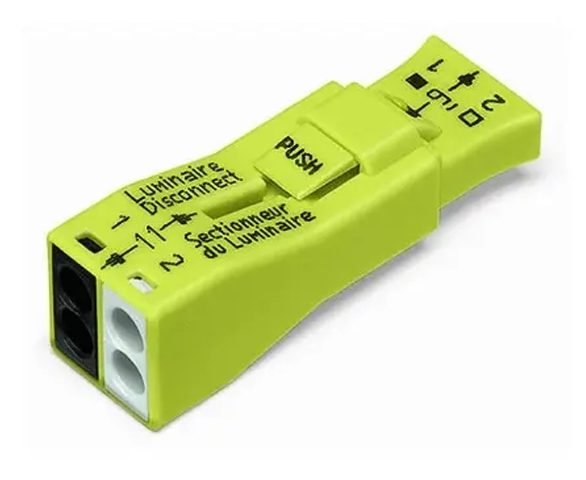
  • What is a Ballast Connector?

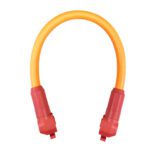
    A ballast connector is used to link a fluorescent or igh-intensity discharge (HID) lamp to its ballast — the device that regulates current and voltage to the bulb. In carrying the controlled electrical current from the ballast to the lamp, the ballast connector ensures stable power delivery. The increase in LED use is driving downRead More

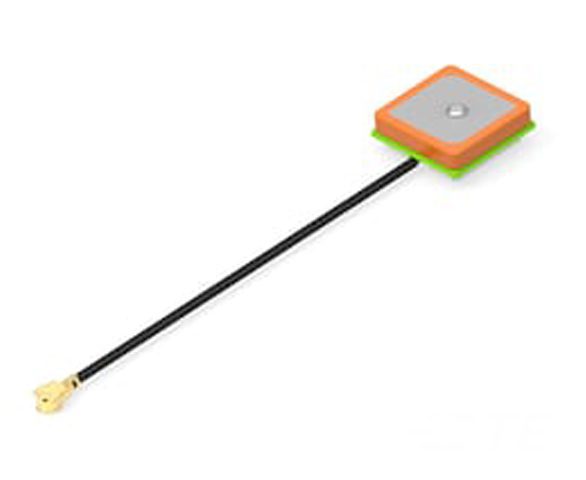
  • What is an Adhesive Mount Antenna?

    An adhesive mount antenna is a low-profile external antenna that is attached to a surface using a pressure-sensitive adhesive backing, typically a foam tape. Available in single-band and multiband configurations covering cellular (2G through 5G), GNSS, Wi-Fi, Bluetooth, and combinations, adhesive mount antennas are commonly used for vehicle telematics, fleet tracking, IoT gateways, and assetRead More

Learning Tools

What are MIL-DTL-22992?

Meet the Connector: MIL-DTL-22992 Connectors MIL-DTL-22992 connectors are the largest heavy-duty cylindrical connectors used for high-power military and industrial applications. The MIL-DTL-22992 military specification defines its interface, materials, performance, and environmental resistance. The 22992 connector features threaded coupling for secure connections and has high resistance to moisture, shock, and vibration, making it suitable for harsh environmentRead More
What are Armored Cables?

Meet the Connector: Armored Cables Armored cables are versatile, self-contained conduit-wire systems that can be used in the most challenging applications. The armor is a metal sheath surrounding the cable.  It acts as a protective barrier against damage to the insulator and conductors and helps block electromagnetic interference in high- and low-current applications. Particularly inRead More

Seven Considerations for Connector Selection for Industrial and Embedded Systems

Seven Considerations for Connector Selection for Industrial and Embedded Systems The nature of industrial and embedded systems has changed significantly in recent years as equipment is afforded less space and operates with tighter tolerances under harsher conditions. These factors, coupled with the increased data volumes from the rise of IoT, mean the integrity and durabilityRead More

The Benefits of Gold Plating on Connectors

Gold plating offers unparalleled durability and corrosion resistance to interconnects. Learn how gold — or a cost-effective alternative — can impact connector selection. Gold plating has a long history of utility in the connector industry due to its highly effective combination of durability, corrosion resistance, ductility, and electrical conductivity. The material offers stability under aRead More

What are 7/16 DIN Connectors?

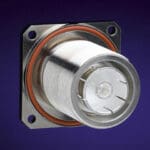
Meet the Connector: 7/16 DIN Connectors The 7/16 interface was originally developed in Europe in the 1960s for the military. Also referred to simply as 7/16, this interface is a 50 Ω threaded RF connector used to join cables and equipment. The name is derived from the contact measurements: 7 mm outer diameter of theRead More

What are High-Voltage Cables?

Meet the Connector: High-Voltage Cables High-voltage (HV) cable, is a highly insulated, heavy-duty cable necessary for high-voltage power transmission. It is used in instruments, ignition systems, and alternating current (AC) and direct current (DC) power transmission in many environments. High voltage cable is used in electric vehicles (EVs) to transmit power from the battery toRead More

Open Standards Provide a Path to Innovation

Standards related to electronic devices guarantee interoperability and expands market opportunity for high-volume production that reduces cost and encourages collaboration as well as competition to develop the most effective solution. A universe of standards plays a critical role in the complex world we live in. Imagine having different plugs on your toaster and coffee maker,Read More

What are Overbraided Cables?

Meet the Connector: Overbraided Cables Overbraiding adds an added protective layer (or layers) to cables and wire harnesses. The process of overbraiding is designed to be cost effective and versatile. It is accomplished with a wide range of fibers and different braided design configurations to best meet the demands of an application. Fine metallic strandsRead More

What are KTK-Style Connectors?

Meet the Connector: KTK Connectors KTK is a multi-pin connector type that is widely used in the high-pressure, high-temperature environments of downhole Oil & Gas operations. The name is derived from Kintec, the company that originally designed this connector in the early 1990s. Today, versions of KTK-style connectors are made by several manufacturers. Standard featuresRead More

What are MIL-STD-1553-Compliant Connectors and Assemblies?

Meet the Connector: MIL-STD-1553-compliant Connectors and Assemblies MIL-STD-1553 is a military standard that defines the mechanical, electrical, and functional characteristics of a serial data bus, with the goal of reliably moving data. Also known as Milbus, this standard has been incorporated in nearly every type of U.S. military vehicle built in the last 50 yearsRead More

Non-Magnetic Spring Probe Solutions for MRIs

Using a spring probe grid array allows designers to customize the number of ground pins used to optimize the performance of connectors used in MRI systems, serving specific frequencies/coil designs, saving size, weight, and cost while maintaining the performance of a coax channel where needed. MRI (Magnetic Resonance Imaging) systems provide a clear and detailedRead More

What are Multiport Connectors?

Meet the Connector: Multiport Connectors Multiport connectors integrate multiple coaxial contacts into a single connector module, which achieves higher interconnection density while shortening installation time. Multiport connectors also reduce the form factor and the system’s overall complexity. The choice of multiport connector depends on the required frequency range, signal integrity, and space constraints all necessaryRead More

2026 World Connector Market Handbook 2025-2031F
x